Solutions in Pain- Pain Management Phyician

Platelet Rich Plasma (PRP) | Allen & Wylie TX

PRP Therapy Guide

A Comprehensive Guide to Platelet-Rich Plasma Therapy

Why Patients Choose Solutions in Pain

Personalized Care

Treatment is tailored to your condition, symptoms, and goals.

Experienced Specialists

PRP therapy is offered within a professional pain management setting.

Precision Guidance

Advanced imaging guidance supports accurate, targeted treatment.

Allen & Wylie Care

Convenient access to non-surgical treatment options close to home.

A Comprehensive Guide to Platelet-Plasma Therapy

Platelet-Rich Plasma (PRP) therapy is an established treatment that uses your body’s natural healing mechanisms to address damaged tissues and persistent pain. This therapy, used in orthopedics, sports medicine, and pain management, offers a minimally invasive option for a range of conditions. By concentrating healing properties found in your own blood, PRP supports recovery and may reduce reliance on more invasive treatments.

At Solutions in Pain, we offer PRP therapy as part of a personalized, comprehensive approach to pain management. Our team evaluates each patient individually to determine whether PRP is an appropriate option based on your specific diagnosis, medical history, and goals. Whether you are managing a chronic condition, recovering from an injury, or exploring your treatment options, we encourage you to speak with our specialists.

Learn more about how this therapy works, who it may benefit, and what to expect during the evaluation process.

Understanding PRP Therapy: Is It Right for You?

Pain and injury can limit daily life in significant ways. If you have been exploring treatment options and want to understand whether PRP therapy might be appropriate for your situation, our specialists at Solutions in Pain are available to answer your questions and review your medical history in detail. Contact our office to ask questions or request an evaluation — we are here to help guide your decision.

What Is Platelet Rich Plasma Therapy?

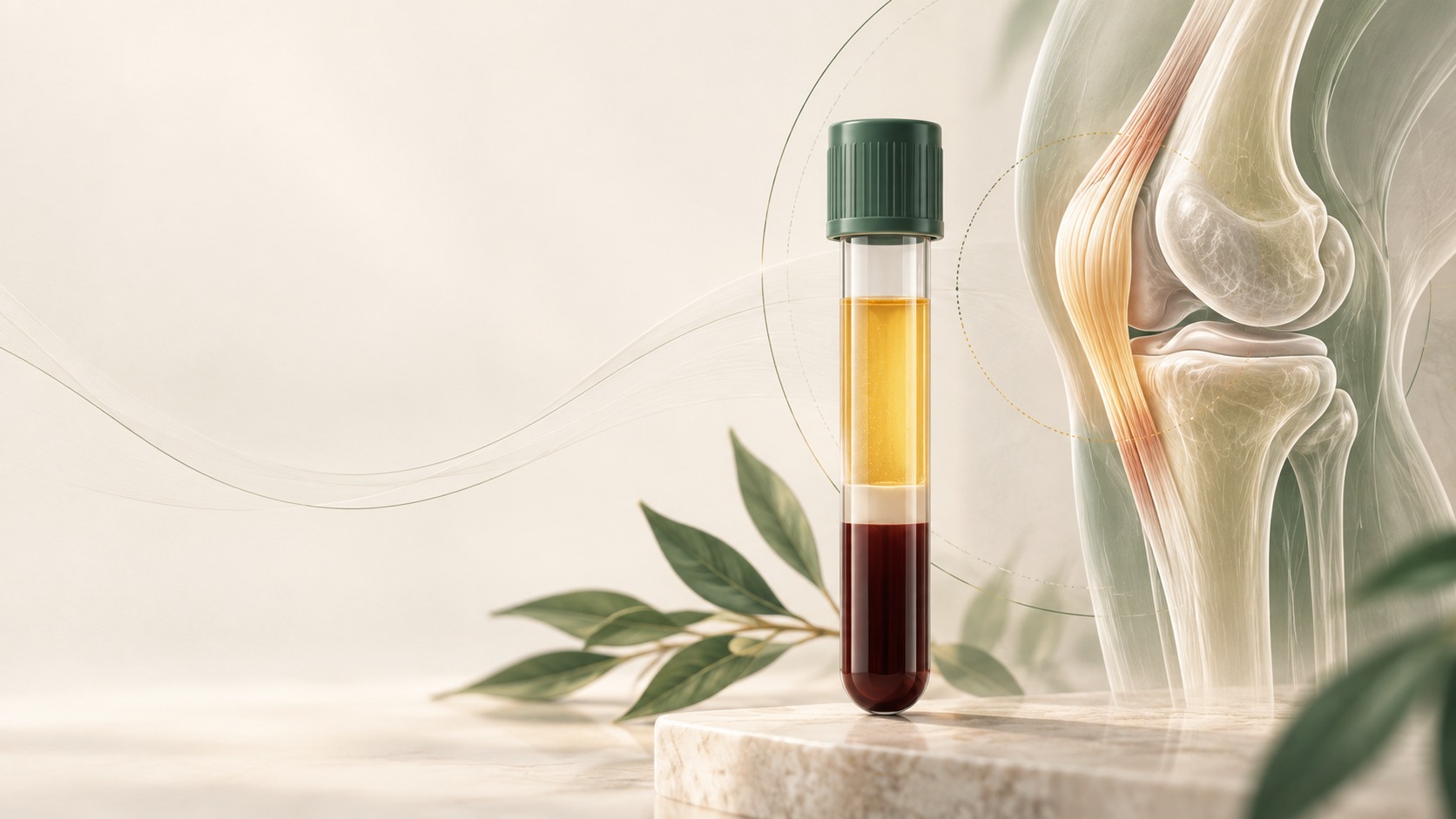
PRP therapy uses your blood’s own platelets to support healing and tissue repair. According to MedlinePlus, platelets contain growth factors and proteins that play a key role in the body’s natural healing process. By concentrating these platelets from your own blood and introducing them into injured or painful areas, PRP aims to stimulate tissue repair and reduce inflammation. This makes it a natural, minimally invasive option for patients seeking alternatives to surgery or long-term medication use.

How Does PRP Therapy Work?

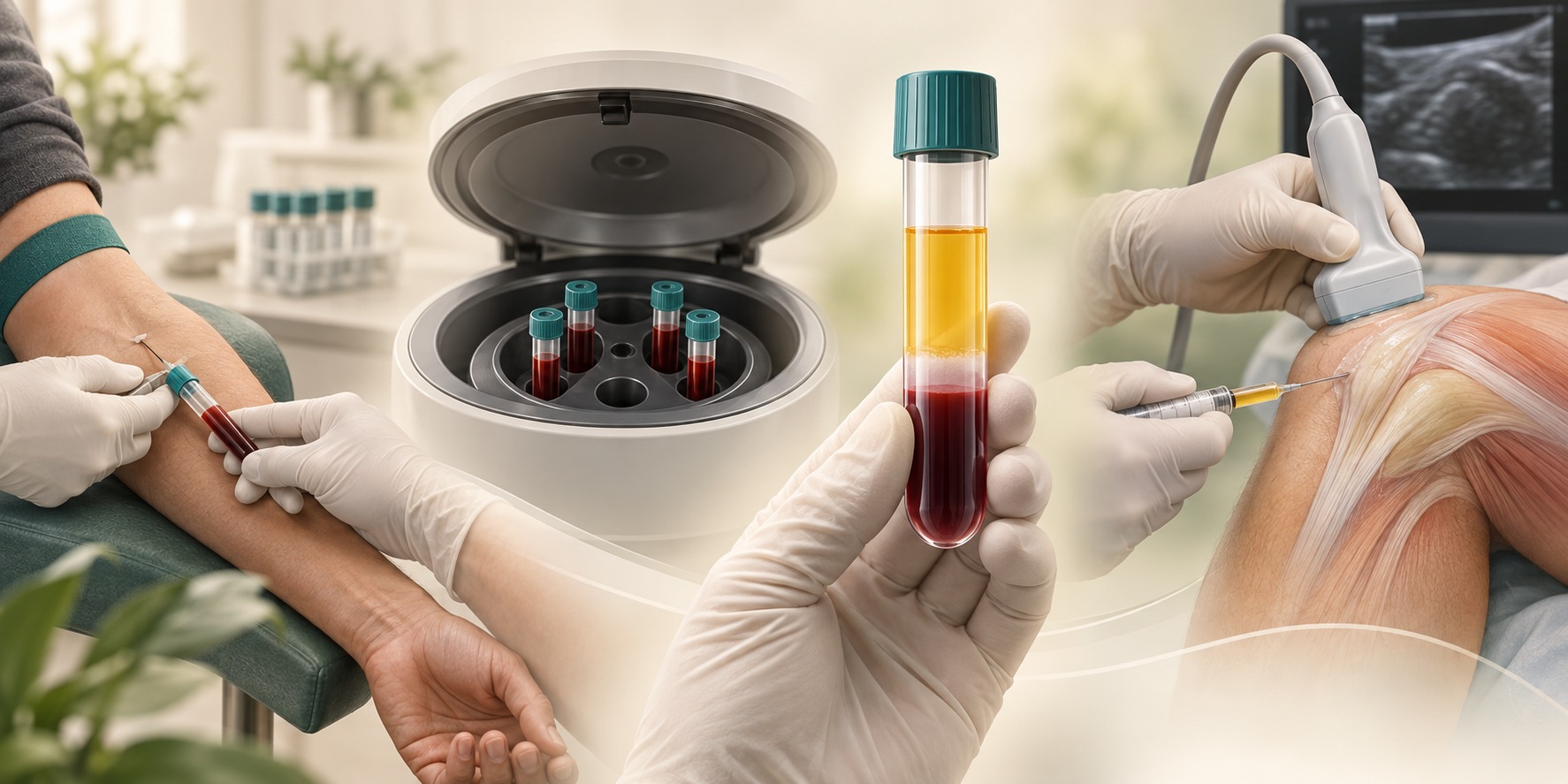
The process of PRP therapy is straightforward and efficient:

  1. Blood Draw: First, your doctor will draw a small sample of your blood.
  2. Separation: Next, using a centrifuge, your platelets are separated and concentrated.
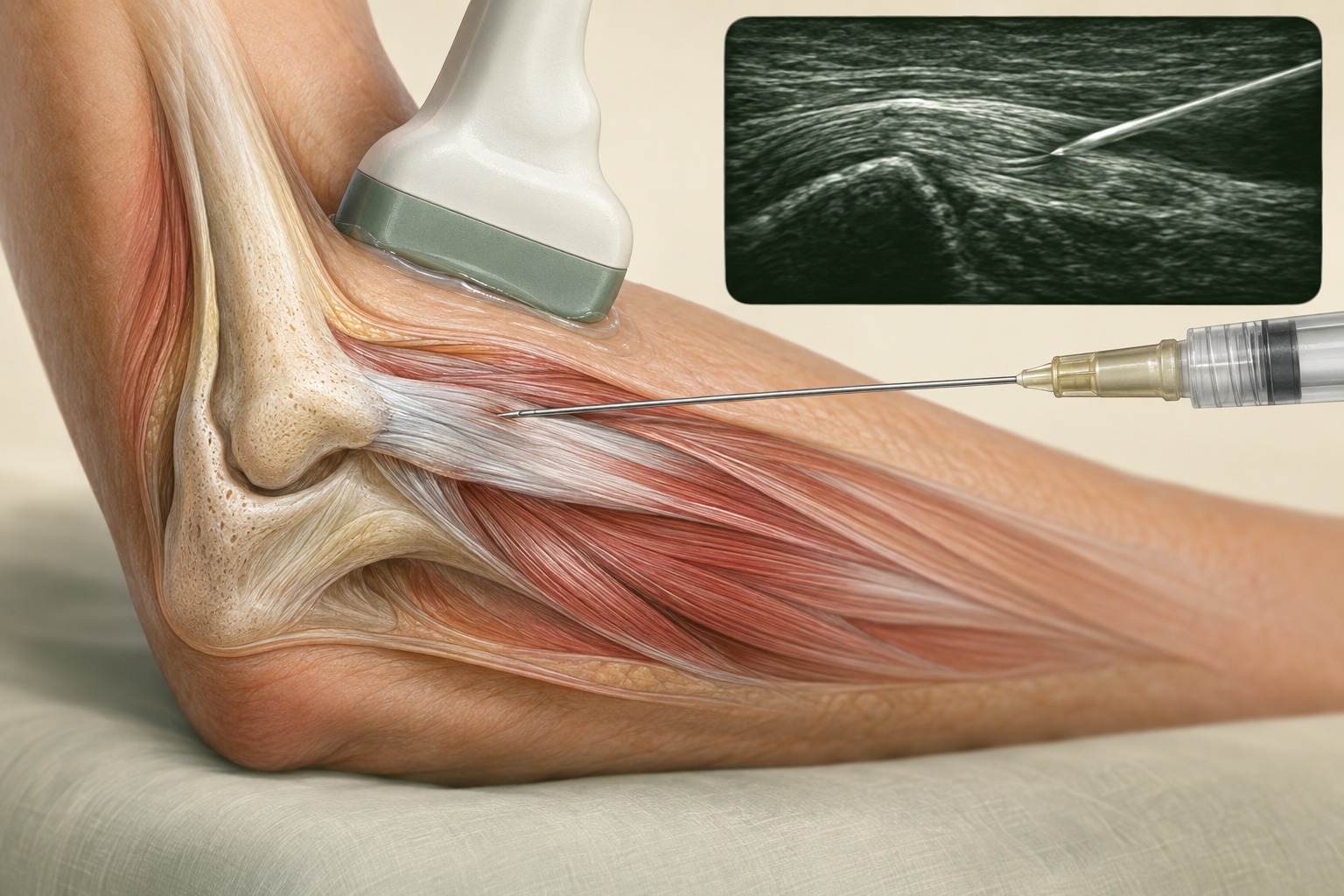
  3. Injection: Finally, the concentrated PRP is injected into the targeted area using advanced imaging for precision.

As a result, this process delivers growth factors directly to the injury site, where they may support healing and reduce inflammation.

Potential Benefits of PRP Therapy

Patients and researchers have noted several potential advantages of PRP therapy. Individual results vary. The following benefits are commonly discussed in clinical settings:

  • Natural Source: PRP uses your own blood. This minimizes the risk of adverse reactions or rejection.
  • Pain Reduction: PRP may help reduce inflammation. This applies to both chronic and acute pain conditions.
  • Functional Improvement: PRP targets damaged tissue. This aims to support improved mobility and strength over time.
  • Non-Surgical: PRP is minimally invasive and requires no incisions. This makes it a strong alternative to surgical options.
  • Recovery: Many patients return to their daily activities relatively quickly following the procedure.
  • Range of Use: PRP has been studied across a broad range of applications. These include joint pain, tendon injuries, and hair restoration.

Your provider will discuss what outcomes are realistic for your specific condition during your consultation.

What Does PRP Therapy Treat?

PRP therapy has been studied and used clinically for a wide variety of conditions. In particular, it is frequently used in pain management and orthopedics for the following:

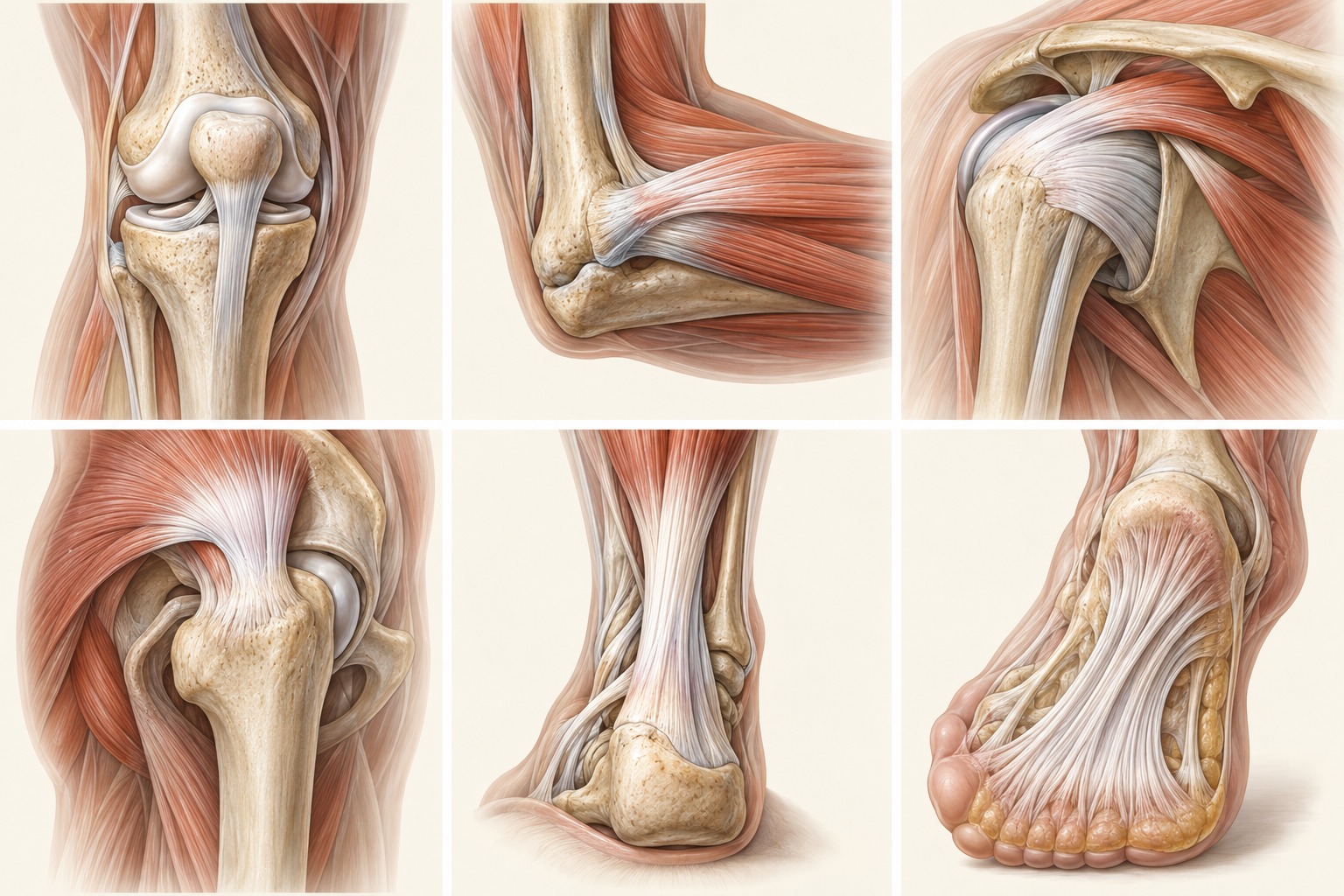
  • Joint Pain: Most notably, osteoarthritis of the knees, hips, and shoulders has been a primary focus of PRP research.
  • Tendon Injuries: In addition, conditions such as tennis elbow, golfer’s elbow, and Achilles tendinitis often respond to PRP therapy.
  • Sports Injuries: For athletes specifically, ligament sprains, muscle tears, and overuse injuries are common applications.
  • Chronic Pain: Moreover, patients managing back pain, neck pain, and sacroiliac joint pain may benefit from PRP as part of a broader treatment plan.
  • Neuropathy: In some cases, PRP has also been explored for certain nerve-related pain conditions.

While these conditions represent some of the more well-studied uses of PRP, your provider will evaluate whether your specific diagnosis is appropriate for this treatment.

Does insurance cover PRP therapy?

PRP therapy is currently considered elective or experimental by most insurance providers and is therefore typically not covered. However, many patients find that the potential long-term benefits — including reduced reliance on surgery and fewer medications over time — make it a worthwhile investment to consider. To help you plan, we encourage you to contact our office directly to discuss payment options and find an arrangement that works for your situation.

How is PRP therapy different from cortisone or steroid injections?

While cortisone and steroid injections are designed primarily to suppress inflammation and provide temporary relief, PRP therapy takes a fundamentally different approach. Specifically, PRP aims to stimulate your body’s own repair process by delivering concentrated growth factors directly to the damaged tissue. Furthermore, steroids can lose effectiveness over time and may contribute to tissue breakdown with repeated use, whereas PRP is designed to support longer-term regeneration. As a result, for patients seeking a more durable solution rather than short-term relief, PRP is often worth discussing with a specialist.

Who is NOT a good candidate for PRP therapy?

PRP therapy does not suit every patient. The American Academy of Orthopaedic Surgeons notes that careful patient selection plays a key role in achieving successful PRP outcomes. Our team at Solutions in Pain follows a thorough evaluation process to determine whether PRP is appropriate for your specific situation.
Patients who typically do not qualify for PRP include:

1. Those with active infections at or near the treatment site.
2. Patients with blood disorders or clotting issues.
3. Those with certain types of cancer.
4. Patients currently taking blood thinners.
5. Those with severe anemia.
6. Patients who recently received a corticosteroid injection in the same area.

Our specialists review your complete medical history during your consultation. This ensures PRP is both safe and appropriate before we move forward with treatment..

How should I prepare for my PRP therapy appointment?

To help ensure the best possible outcome, there are several important steps to take before your appointment. First, avoid anti-inflammatory medications such as ibuprofen or aspirin for at least one week prior, as these can interfere with platelet function. In addition, stay well hydrated in the days leading up to your treatment and eat a light meal beforehand. Finally, make sure to inform our team at Solutions in Pain about any supplements or medications you are currently taking so we can provide personalized preparation guidance.

What should I avoid after a PRP injection?

After receiving a PRP injection, following post-treatment guidelines carefully is important for maximizing results. Most importantly, avoid anti-inflammatory medications like ibuprofen for at least one week, as they can interfere with the healing response that PRP is designed to trigger. In addition, refrain from strenuous physical activity, heat exposure such as hot tubs or saunas, and alcohol for the first few days following your injection. Our team at Solutions in Pain will provide you with a detailed set of post-treatment instructions specific to your procedure so you leave your appointment well prepared.

Is PRP therapy painful?

Most patients tolerate PRP therapy quite well. To begin with, the injection site is typically numbed beforehand to minimize discomfort. Furthermore, the procedure itself takes only about 45 to 60 minutes from start to finish. Afterward, some patients experience mild soreness or a sense of pressure at the injection site for a day or two, which is a normal and expected part of the healing process. Throughout the entire procedure, our experienced team takes every measure to ensure your comfort.

Can PRP therapy be combined with other pain treatments?

Yes, and in many cases, combining PRP with other therapies leads to better outcomes than using it alone. For example, at Solutions in Pain we often incorporate PRP into broader treatment plans that may include physical therapy, neuromodulation, or other regenerative medicine approaches. This multi-modal strategy allows us to address the root cause of your pain from multiple angles simultaneously. As a result, patients who follow a comprehensive plan often experience more meaningful and lasting improvement than those using a single treatment in isolation.

What makes Solutions in Pain different from other PRP providers in the DFW area?

Unlike general practitioners who may offer PRP as an occasional add-on service, Solutions in Pain is a practice dedicated entirely to pain management and regenerative medicine. Specifically, our specialists bring years of focused experience in these fields, with locations in both Allen and Wylie, TX. In addition, we use advanced imaging guidance for precise injections, develop fully individualized treatment plans, and offer a comprehensive range of complementary therapies under one roof. Above all, our patient-first philosophy means you receive expert, compassionate care from your very first consultation all the way through your recovery.

How many PRP sessions will I need?

The number of sessions varies depending on your condition and how your body responds to treatment. Many patients experience meaningful improvement after one to three sessions. Your provider at Solutions in Pain will develop a personalized treatment plan and discuss the recommended number of sessions during your consultation.

How long does a PRP session take?

The entire PRP procedure takes approximately 45 to 60 minutes from start to finish. This includes the blood draw, centrifuge processing, and injection. Most patients return home the same day with no need for extended observation or recovery.

Is PRP therapy FDA approved?

PRP therapy uses your own blood, which means the procedure itself does not require FDA approval in the same way a drug or medical device does. The equipment used to process PRP is FDA cleared. Your provider at Solutions in Pain will explain the regulatory status of PRP and how it applies to your specific treatment during your consultation.

Can PRP therapy help with sports injuries?

Yes. PRP therapy is widely used in sports medicine for conditions such as ligament sprains, muscle tears, and overuse injuries. Many athletes choose PRP because it uses the body’s own healing mechanisms and involves minimal downtime. Your provider will evaluate whether your specific injury is a good fit for PRP treatment.

How is PRP different from stem cell therapy?

PRP therapy uses concentrated platelets from your own blood to deliver growth factors to injured tissue. Stem cell therapy uses undifferentiated cells that have the potential to develop into various tissue types. Both aim to support healing, but they work through different mechanisms. Your provider at Solutions in Pain can help you understand which approach is most appropriate for your condition.

Will I need to take time off work after PRP therapy?

Most patients do not need significant time off work following PRP therapy. The procedure is minimally invasive and most people return to light daily activities the same day or the following day. Your provider will give you specific post-treatment guidelines based on your procedure and the area treated.

Can PRP therapy be used on the face or scalp?

Yes. Beyond pain management, PRP has applications in cosmetic medicine including hair restoration and skin rejuvenation. For hair loss, PRP injections into the scalp stimulate follicle activity and promote new hair growth. For skin, PRP supports collagen production and tissue repair. Your provider can discuss whether these applications are appropriate for your situation.

What is the success rate of PRP therapy?

Success rates vary depending on the condition treated and the individual patient. Many studies report meaningful improvement in pain and function for conditions such as knee osteoarthritis and tennis elbow. Your provider at Solutions in Pain will discuss realistic expectations based on the current evidence and your specific diagnosis during your consultation.

Can PRP therapy be used alongside other treatments?

Yes. PRP works well as part of a broader treatment plan. At Solutions in Pain we often combine PRP with physical therapy, neuromodulation, or other regenerative medicine approaches. This multi-modal strategy allows us to address the root cause of your pain from multiple angles and often leads to better outcomes than any single treatment alone.

How do I get started with PRP therapy at Solutions in Pain?

Getting started is simple. Contact our office by phone or through our website to schedule an initial consultation. During that visit your specialist will review your medical history, discuss your symptoms and goals, and determine whether PRP is an appropriate option for you. We serve patients throughout the DFW area with locations in Allen and Wylie, TX.

How Does PRP Compare to Other Treatments?

One of the most common questions patients ask is how PRP therapy compares to other pain management options. To help you understand the key differences, the table below provides a side-by-side overview of PRP, cortisone injections, and surgery across several important factors:

PRP Therapy Cortisone Injection Surgery
Mechanism Stimulates tissue repair using growth factors Suppresses inflammation temporarily Physically repairs or removes damaged tissue
Duration of Effect Potentially long-term as tissue heals Typically weeks to months Permanent structural change
Invasiveness Minimally invasive injection Minimally invasive injection Surgical incision required
Recovery Time Generally minimal downtime Generally minimal downtime Weeks to months
Tissue Impact Supports regeneration May cause tissue breakdown over time with repeated use Tissue removed or altered permanently
Insurance Coverage Typically not covered (elective) Often covered Often covered
Best For Chronic conditions, tissue damage, patients seeking non-surgical options Short-term relief of acute inflammation Severe structural damage not responding to other treatments

Note: This table is for general educational purposes only. Every patient’s situation is unique. Our specialists will help you determine which approach — or which combination of approaches — is most appropriate for your condition.

How Quickly Does PRP Therapy Work?

One of the most common questions patients ask is how soon they can expect to notice results. Generally speaking, many patients report improvement within 2 to 6 weeks following their procedure. However, it is important to understand that the full benefits of PRP often take several months to develop, as the body needs time to complete its natural healing process. As a result, patience and follow-up care are important parts of a successful PRP outcome. Ultimately, the exact timeline depends on individual factors such as the severity of the condition, your overall health, and whether PRP is being used as a standalone treatment or as part of a broader care plan.

What Does the Research Say About PRP Therapy?

PRP therapy has been studied across a range of orthopedic and pain management applications, with researchers continuing to evaluate its role in clinical practice. While results vary by patient and condition, the current body of evidence suggests several areas where PRP may be a reasonable option to discuss with a specialist:

  • Osteoarthritis: Studies on knee osteoarthritis have reported that some patients experience reduced pain and improved joint function following PRP, particularly when compared to certain alternative injection therapies.
  • Tendon Injuries: Research on conditions such as tennis elbow has shown improvement in pain and function for some patients receiving PRP, with several studies suggesting longer-term benefit compared to corticosteroid injections.
  • Soft Tissue Healing: A growing body of clinical research continues to evaluate PRP’s potential role in supporting the body’s repair process for certain soft tissue injuries.

It is important to note that study results vary, and not all research reaches the same conclusion. A 2024 systematic review published in Military Medicine summarizing the current evidence on PRP for knee osteoarthritis is one example of the ongoing research in this area. As with any medical treatment, individual outcomes depend on your specific diagnosis, overall health, and treatment plan. During your consultation, our specialists will review the most current evidence relevant to your situation and discuss whether PRP is an appropriate option for you.


What Can You Expect During a PRP Appointment?

If you decide to schedule a consultation at Solutions in Pain, here is what you can generally expect throughout the process:

  • Initial Consultation: Your specialist will conduct a thorough review of your condition, medical history, and treatment goals to determine whether PRP is appropriate for you.
  • Procedure Day: The procedure itself takes approximately 45 to 60 minutes and requires no general anesthesia or surgical preparation. Most patients are able to return home the same day.
  • Immediate Aftercare: Following your injection, you will receive detailed post-treatment instructions and have the opportunity to ask any remaining questions before you leave.
  • Follow-Up Appointments: Most patients benefit from scheduled follow-up visits spaced several weeks apart, allowing your provider to monitor your progress and make any necessary adjustments to your care plan.

Throughout this entire process, our team is available to answer questions and provide guidance — from your first phone call to your final follow-up visit.

Questions to Ask Your Doctor About PRP Therapy

Coming prepared to your consultation can help you get the most out of your appointment. In particular, having specific questions ready allows your provider to give you the clearest possible guidance about whether PRP is right for your situation. Here are some questions worth considering before your visit:

  • Is my specific condition a good match for PRP based on current evidence?
  • How many PRP sessions are typically recommended for my type of injury or condition?
  • What results should I realistically expect, and over what timeframe?
  • Are there any medications or supplements I need to stop before treatment?
  • How does PRP fit into my overall treatment plan? Will it replace or complement other therapies?
  • What are the signs that PRP is — or is not — working for me?
  • What happens if PRP does not produce the results we are hoping for?

Asking these questions can help you feel more informed and confident going into your consultation.

Risks or Side Effects?

Spinal cord stimulation is safe and well-tolerated for appropriately selected patients. The Mayo Clinic describes SCS as generally safe, noting that serious complications are uncommon when the procedure is performed by experienced specialists. As with any implantable device, there are potential risks and side effects to be aware of before proceeding. These may include:

  • Mild pain or swelling at the injection site, which is common and expected.
  • Temporary bruising in the area of the injection.
  • Brief discomfort during the initial phase as the healing process begins.

While these effects are typically mild and resolve on their own within a day or two, most patients find them quite manageable.

Additionally, there are less common risks associated with any injection procedure — such as infection or nerve irritation — which is why it is essential to have PRP performed by experienced, trained specialists using proper technique and imaging guidance.

Our team at Solutions in Pain will review all relevant risks and benefits with you personally during your consultation, so you can make a fully informed decision.

Why PRP Therapy May Be Right for You

PRP therapy may be an appropriate option for patients seeking a natural, minimally invasive approach to chronic pain and injury recovery. Because the treatment uses your body’s own healing factors, it is often considered by patients looking to avoid surgery or reduce reliance on long-term medications.

PRP is designed to support tissue repair rather than simply mask symptoms. For patients with chronic conditions or those recovering from injuries, this targeted approach may help support improved mobility and function over time, though individual outcomes vary.

PRP has been used across a range of clinical applications. Whether you are an athlete exploring recovery options or someone managing persistent discomfort, PRP may be worth discussing with a specialist as part of a broader treatment plan.

If you are exploring non-surgical options for chronic pain or injury, the specialists at Solutions in Pain can help you understand whether PRP is appropriate for your specific situation.

Possible Risks and Side Effects

Because PRP uses your own blood, the overall risk profile is generally considered low compared to many other medical procedures. As with any injection-based treatment, there are potential side effects to be aware of before proceeding:

  • Mild pain or swelling at the injection site, which is common and expected during the healing process
  • Temporary bruising in the area of the injection
  • Brief discomfort as the body’s initial healing response begins
  • Less common risks associated with any injection procedure, such as infection or nerve irritation

Most side effects are mild and typically resolve within a day or two. Having PRP performed by experienced, trained specialists using proper technique and imaging guidance helps reduce these risks. Our team at Solutions in Pain will review all relevant risks and benefits with you personally during your consultation, so you can make a fully informed decision before moving forward.

Why Choose Solutions in Pain for PRP Therapy?

Choosing the right provider matters enormously when it comes to injection-based procedures like PRP. While the process itself is relatively straightforward, its success depends heavily on the expertise of the provider — specifically, their diagnostic precision, injection technique, and how well the treatment is integrated into your overall care plan. At Solutions in Pain, we bring together several key advantages:

  • Specialized Focus: Our practice is dedicated entirely to pain management and regenerative medicine — it is not an add-on service at a general clinic.
  • Experienced Team: Our physicians have extensive training in these disciplines, with years of focused experience in PRP and related therapies.
  • Imaging-Guided Injections: We use advanced imaging guidance to ensure that every injection is placed with precision, which is critical to outcomes.
  • Personalized Plans: Every treatment plan at Solutions in Pain is tailored to the individual — we do not take a one-size-fits-all approach.
  • Comprehensive Care: PRP is offered as part of a broader range of pain management options, meaning your treatment can evolve based on how you respond.

Above all, you deserve expert, compassionate care from a practice fully committed to your long-term health — and that is exactly what we aim to provide.

Take the First Step - Speak with a Specialist

If you have been exploring PRP therapy as a possible option for managing pain or recovering from an injury, the best next step is a one-on-one conversation with a specialist who can evaluate your specific situation. At Solutions in Pain, we are available to answer your questions, review your medical history, and help you understand all of your options — without pressure or obligation. In short, our goal is to make sure you leave better informed than when you arrived, regardless of whether PRP turns out to be the right path for you.

Solutions in Pain serves patients throughout the DFW area, with locations in Allen and Wylie, TX.
To ask questions or schedule an evaluation, contact our office today.