

Pain is a common experience that can affect daily activities, mobility, work, and overall quality of life. Pain management is a medical approach designed to identify the source of pain and provide effective strategies to reduce discomfort, restore function, and improve well-being. Instead of only masking symptoms, pain management focuses on understanding the causes of pain and creating personalized treatment plans for each individual.
Whether pain comes from an injury, chronic condition, surgery, or nerve-related issue, proper care can help patients regain control of their lives. With advancements in medical treatments and therapies, people now have more options for managing pain safely and effectively. Understanding how pain management works can help individuals make informed decisions and seek the right support for their specific needs.
Understanding What Pain Management Means
Pain management is a specialized area of healthcare focused on diagnosing, treating, and reducing different types of pain. It involves a combination of medical techniques, therapies, and lifestyle strategies that are customized based on the patient’s condition, symptoms, and goals. The purpose is not only to decrease pain but also to improve movement, independence, and overall quality of life.
Pain can be classified into different categories, including acute pain and chronic pain. Acute pain usually occurs suddenly due to injuries, surgeries, or medical procedures and often improves as the body heals. Chronic pain, however, lasts for several months or longer and may require ongoing treatment to control symptoms and prevent further limitations.
Healthcare providers evaluate several factors before recommending a treatment approach. They consider the location of pain, severity, underlying conditions, medical history, and how pain affects daily activities. This detailed assessment helps create a plan that addresses the root cause rather than only providing temporary relief.
How Pain Management Helps Identify the Cause of Pain
Before treatment begins, specialists must determine why a person is experiencing pain. Identifying the cause is an essential part of creating an effective care plan because different conditions require different approaches. A thorough evaluation helps healthcare providers understand whether pain comes from muscles, joints, nerves, inflammation, injuries, or other medical issues.
The assessment process often includes reviewing medical history, discussing symptoms, and performing physical examinations. In some cases, diagnostic tests such as imaging studies or nerve evaluations may be recommended to gather more information about the problem. These steps allow providers to create a more accurate understanding of the patient’s condition.
Pain specialists also consider how pain impacts everyday life. A person experiencing back pain, for example, may struggle with sleeping, working, exercising, or completing household tasks. Understanding these challenges helps providers develop treatments that focus on improving function as well as reducing discomfort.
Common Treatments Used in Pain Management
There are many treatment options available to help individuals manage pain effectively. The right approach depends on the type, severity, and cause of pain, along with the patient’s overall health. A combination of treatments is often used to achieve better results than relying on a single method.
Medications are one common option used to control pain symptoms. Depending on the situation, providers may recommend anti-inflammatory medications, nerve pain medications, or other prescription and non-prescription options. These treatments are carefully monitored to ensure safety and effectiveness.
Physical therapy is another important component of treatment. Exercises, stretching techniques, and movement-based therapies can help strengthen muscles, improve flexibility, and restore mobility. This approach is especially helpful for individuals dealing with injuries, joint problems, or chronic conditions.
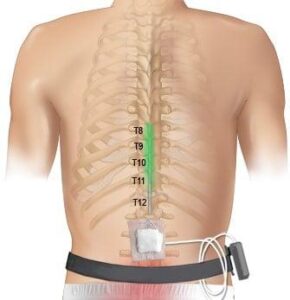
Some patients may benefit from minimally invasive procedures, such as targeted injections or nerve-related treatments. These options can help reduce inflammation and interrupt pain signals in specific areas of the body. Advanced treatments are typically considered when traditional methods do not provide enough relief.
The Role of Specialists in Pain Management
Pain specialists play an important role in helping patients understand and manage complex pain conditions. These healthcare professionals have advanced training in evaluating pain sources and developing treatment plans that address individual needs. Their goal is to help patients achieve improved comfort and better daily function.
A pain specialist works closely with patients to understand their symptoms, concerns, and treatment goals. They explain available options and help individuals make informed choices about their care. This collaborative approach ensures that treatments align with the patient’s lifestyle and medical needs.
Specialists may also coordinate with other healthcare providers, including physical therapists, primary care doctors, and surgeons. This teamwork helps create a complete approach to treatment, especially for patients with multiple health concerns or long-term pain conditions.
Regular follow-up appointments allow specialists to monitor progress and adjust treatments when necessary. Pain levels, medication effectiveness, and overall function can change over time, so ongoing evaluation is important for maintaining successful results.
Benefits of Proper Pain Management
Effective pain care offers many benefits beyond simply reducing discomfort. When pain is properly controlled, individuals often experience improvements in mobility, energy levels, and emotional well-being. Managing pain can make it easier to participate in daily activities and maintain a more active lifestyle.
One major benefit is improved physical function. Chronic pain can limit movement and prevent people from enjoying hobbies, exercise, or social activities. With the right treatment plan, patients may regain strength, flexibility, and confidence in their abilities.
Pain management can also support better mental health. Living with ongoing pain can contribute to frustration, stress, sleep problems, and reduced quality of life. Addressing pain symptoms can help patients feel more in control and improve their overall outlook.
Another important benefit is preventing pain from becoming more difficult to treat. Early evaluation and appropriate care may help reduce complications and support better long-term outcomes. Personalized treatment plans allow providers to focus on each person’s specific challenges and goals.
Conditions That May Require Pain Management
Many different health conditions can lead people to seek specialized pain care. These conditions may involve injuries, chronic diseases, nerve problems, or musculoskeletal issues. Because pain can vary greatly between individuals, treatment must be customized to each person’s situation.
Back and neck pain are among the most common reasons people seek help. These issues may result from injuries, spinal conditions, poor posture, or age-related changes. Proper evaluation can help identify effective treatments that improve comfort and movement.
Arthritis and joint-related conditions may also cause ongoing pain and stiffness. Treatment strategies can help reduce symptoms while supporting mobility and independence. Nerve-related conditions, such as neuropathy, can create burning, tingling, or sharp sensations that require specialized approaches.
Pain following surgery or injuries may also benefit from professional care. While some pain is a normal part of healing, uncontrolled discomfort can interfere with recovery. Proper treatment can support a smoother healing process.

Lifestyle Changes That Support Pain Management
Medical treatments are often more effective when combined with healthy lifestyle habits. Daily choices can influence how the body responds to pain and can support better overall health. Patients are often encouraged to make gradual changes that complement their treatment plans.
Regular physical activity can play an important role in maintaining strength and flexibility. Low-impact activities such as walking, stretching, or guided exercises may help improve movement and reduce stiffness. It is important to follow recommendations from healthcare providers to avoid worsening symptoms.
A balanced diet may also support the body’s natural healing processes. Nutritious foods provide essential vitamins and minerals that contribute to overall wellness. Maintaining a healthy weight can reduce stress on joints and improve physical comfort.
How to Choose the Right Pain Management Provider
Choosing the right provider is an important step in receiving effective care. Patients should look for professionals who have experience treating their specific type of pain and who take time to understand their concerns. A strong provider-patient relationship can make the treatment process more comfortable and successful.
Experience and communication are key factors when selecting a pain specialist. Patients should feel comfortable asking questions and discussing their symptoms openly. Providers who explain treatment options clearly can help patients feel more confident about their decisions.
It is also helpful to consider the range of services offered. A provider with access to different treatment approaches can create more flexible care plans based on changing needs. Comprehensive services allow patients to explore multiple options without unnecessary delays.
Conclusion
Understanding pain management and how it works can help individuals take the right steps toward reducing discomfort and improving daily life. From identifying the source of pain to creating personalized treatment plans, professional care focuses on improving function, mobility, and overall wellness. A combination of medical treatments, therapies, and lifestyle changes can provide effective support for many pain-related conditions.
For those seeking expert guidance, Solutions In Pain provides personalized pain care solutions for patients in Allen. Their team focuses on helping individuals manage pain with effective and compassionate treatment approaches. To learn more about available options or schedule a consultation, contact Solutions In Pain at (469) 251-8488 and take the next step toward better pain relief and improved quality of life.
https://www.buzzsprout.com/2645808/episodes/19736149
https://www.podomatic.com/podcasts/amandawhite19727podcast/episodes/2026-09-01T06_20_15-07_00
https://stream.redcircle.com/episodes/dd5af947-684e-40ae-81cd-e849c19fe701/stream.mp3