Solutions in Pain-Pain Management Phyician

Advanced Pain Treatments | Allen & Wylie TX
Personalized, Minimally Invasive Solutions for Lasting Pain Relief

Explore advanced treatments designed to reduce pain, restore function, and help you get back to living.

What Makes Our Pain Management Different?

Personalized Treatment Plans

Each treatment plan is customized based on your diagnosis, symptoms, lifestyle, and long-term goals.

Board-Certified Expertise

Dr. David Nwokeabia specializes in advanced interventional pain management using the latest evidence-based techniques.

Advanced Treatment Options

From epidural steroid injections to PRP, radiofrequency ablation, and spinal cord stimulation, we offer comprehensive solutions for chronic pain.

Convenient Allen & Wylie Locations

Receive compassionate, minimally invasive pain management close to home with convenient appointments in Allen and Wylie, Texas.

A Comprehensive Guide to Your Pain Treatment Options

Chronic pain and injury can limit daily life in significant ways, making even simple tasks feel overwhelming. Fortunately, effective relief doesn’t always require surgery. At Solutions in Pain, we offer a full range of advanced, minimally invasive treatments — including epidural steroid injections, PRP therapy, radiofrequency ablation, spinal cord stimulation, neuromodulation, and regenerative medicine — each designed to target the source of your pain rather than simply masking it. Because these therapies work with your body’s own healing processes and precision imaging guidance, they offer a proven, evidence-based option for a wide range of conditions.

At Solutions in Pain, we offer these treatments as part of a personalized, comprehensive approach to pain management. Specifically, our team evaluates each patient individually to determine which treatment — or combination of treatments — is most appropriate based on your diagnosis, medical history, and goals. Whether you are managing a chronic condition, recovering from an injury, or simply exploring your options, we encourage you to speak with our specialists to find the path that’s right for you.

Ultimately, learning more about how these therapies work, who they may benefit, and what to expect during your evaluation is the first step toward lasting relief. Below, you’ll find an overview of our most common treatment options and the conditions they’re designed to address — so you can make an informed decision about your care.

Understanding your Treatment Options

Chronic pain and injury shouldn’t have to limit your daily life. Whether you’re exploring epidural steroid injections, PRP therapy, radiofrequency ablation, spinal cord stimulation, or another advanced treatment, our specialists are ready to walk you through your options — reviewing your medical history and answering every question along the way. Reach out today to schedule an evaluation and take the next step toward relief.

Understanding Advanced Pain Treatments

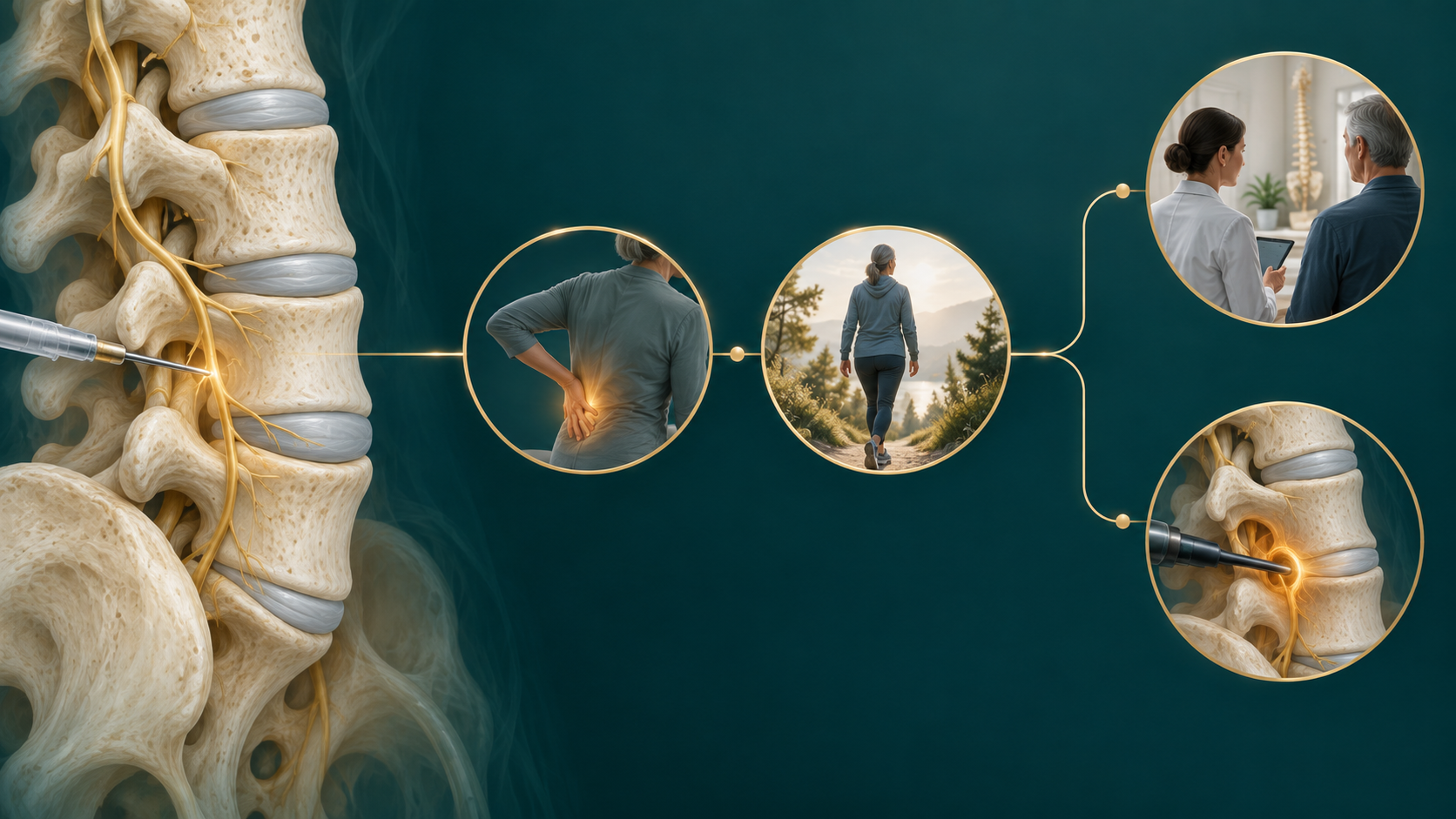
Modern pain management has advanced far beyond simply masking pain with medication. At Solutions in Pain, we focus on identifying the source of your pain and providing targeted, minimally invasive treatments designed to improve function and reduce discomfort.

Rather than recommending the same procedure for every patient, Dr. David Nwokeabia carefully evaluates your condition to determine which treatment offers the greatest opportunity for lasting relief. Your personalized care plan may include image-guided injections, regenerative medicine, neuromodulation, spinal cord stimulation, radiofrequency ablation, or other advanced therapies based on your diagnosis and goals.

Our objective is to help you return to work, family activities, exercise, and the lifestyle you enjoy with less pain and greater confidence.

How We Develop Your Personalized Treatment Plan

Care begins with a comprehensive evaluation to understand the underlying cause of your pain. During your appointment, Dr. Nwokeabia reviews your medical history, imaging studies, previous treatments, and symptoms before recommending the most appropriate treatment plan.

Care may include one treatment or a combination of therapies depending on your condition.

The process typically includes:

  1. Comprehensive medical evaluation
  2. Review of imaging and prior treatments
  3. Accurate diagnosis of the pain source
  4. Personalized treatment recommendations
  5. Ongoing follow-up and adjustments as needed

The goal is to provide effective relief using the least invasive treatment appropriate for your condition.

Benefits of Advanced Pain Management

Many of today’s minimally invasive procedures provide significant advantages over traditional treatment approaches. Depending on your diagnosis, patients may experience:

  • Personalized treatment plans
  • Less reliance on long-term pain medications
  • Minimally invasive procedures
  • Faster recovery compared to surgery
  • Improved mobility and function
  • Better quality of life
  • Long-lasting pain relief
  • Comprehensive care under one physician

Treatment recommendations are based on your individual condition and health goals.

Advanced Treatments We Offer

Solutions in Pain provides a comprehensive range of evidence-based treatments, including:

Spine & Joint Procedures

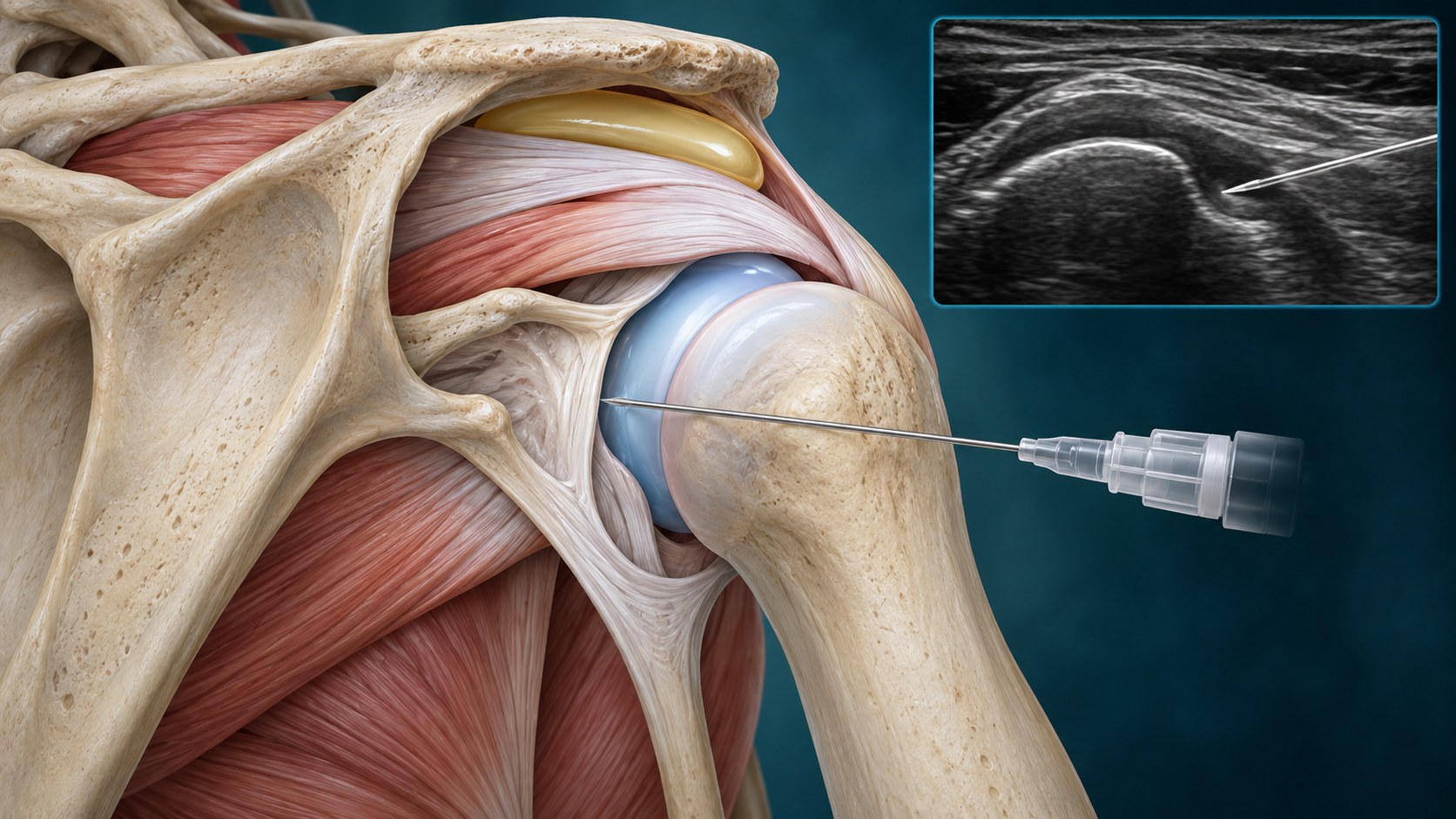
  • Epidural Steroid Injections
  • Facet Joint Injections
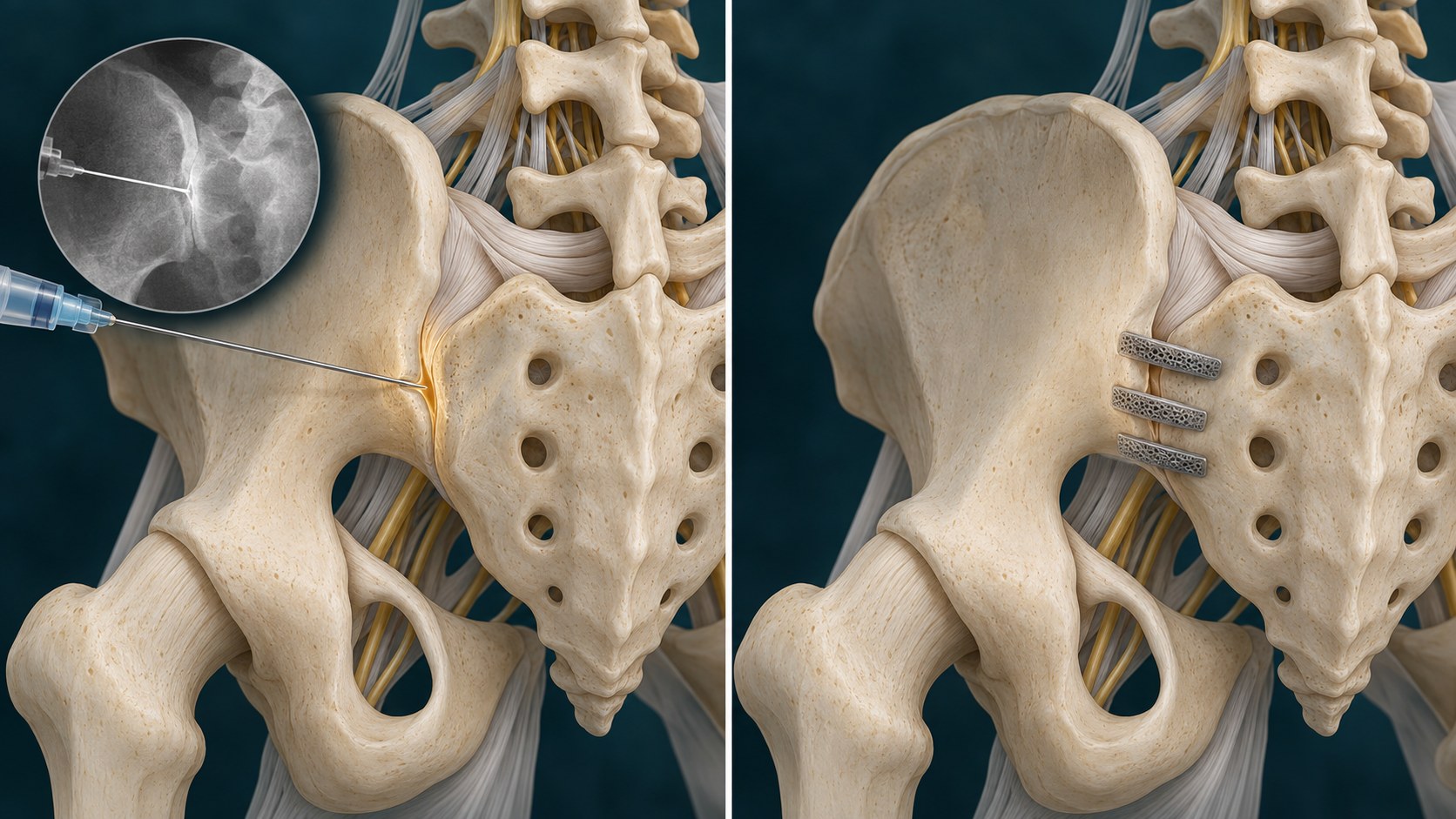
  • Sacroiliac Joint Injections
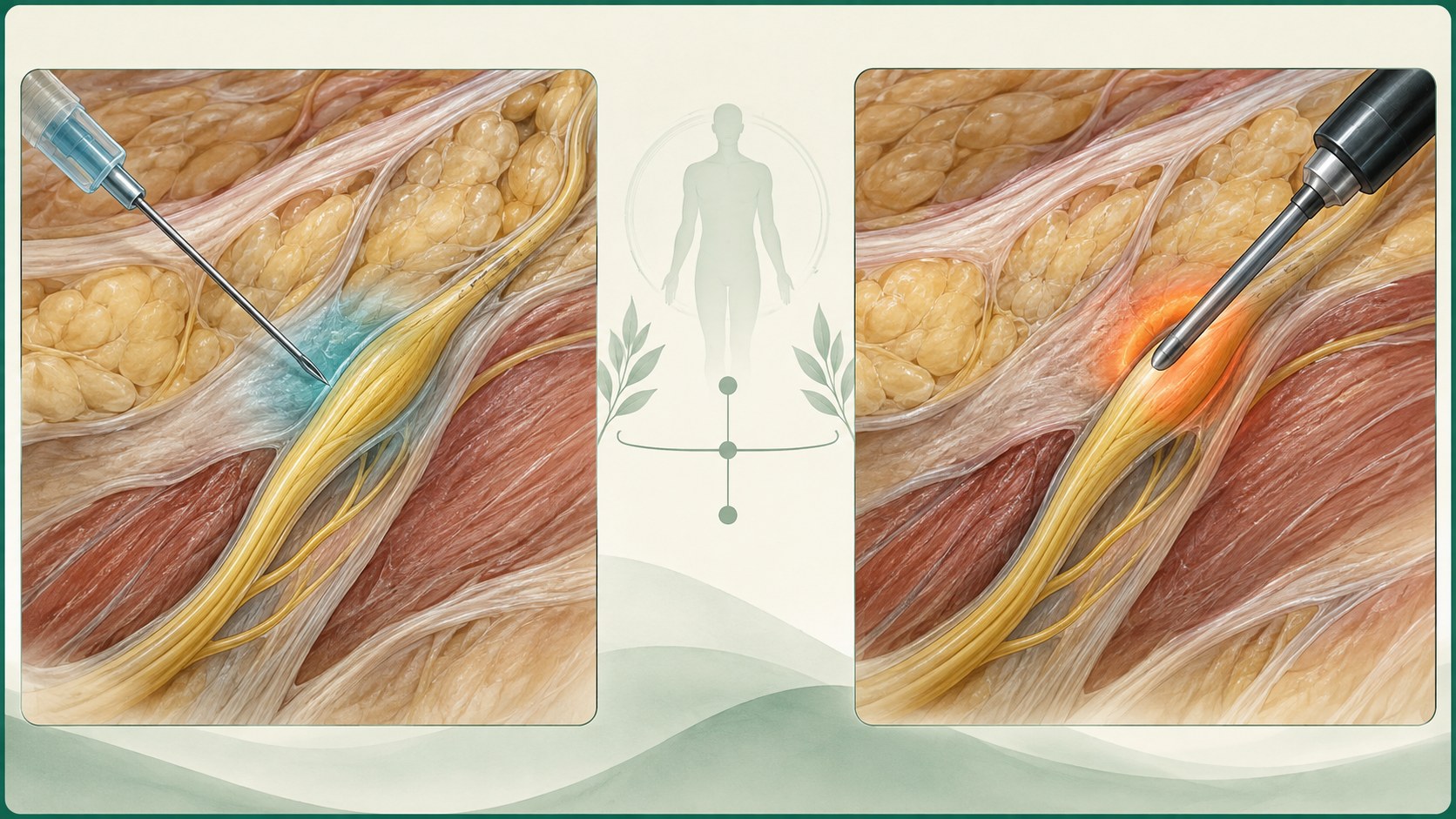
  • Trigger Point Injections

Advanced Pain Procedures

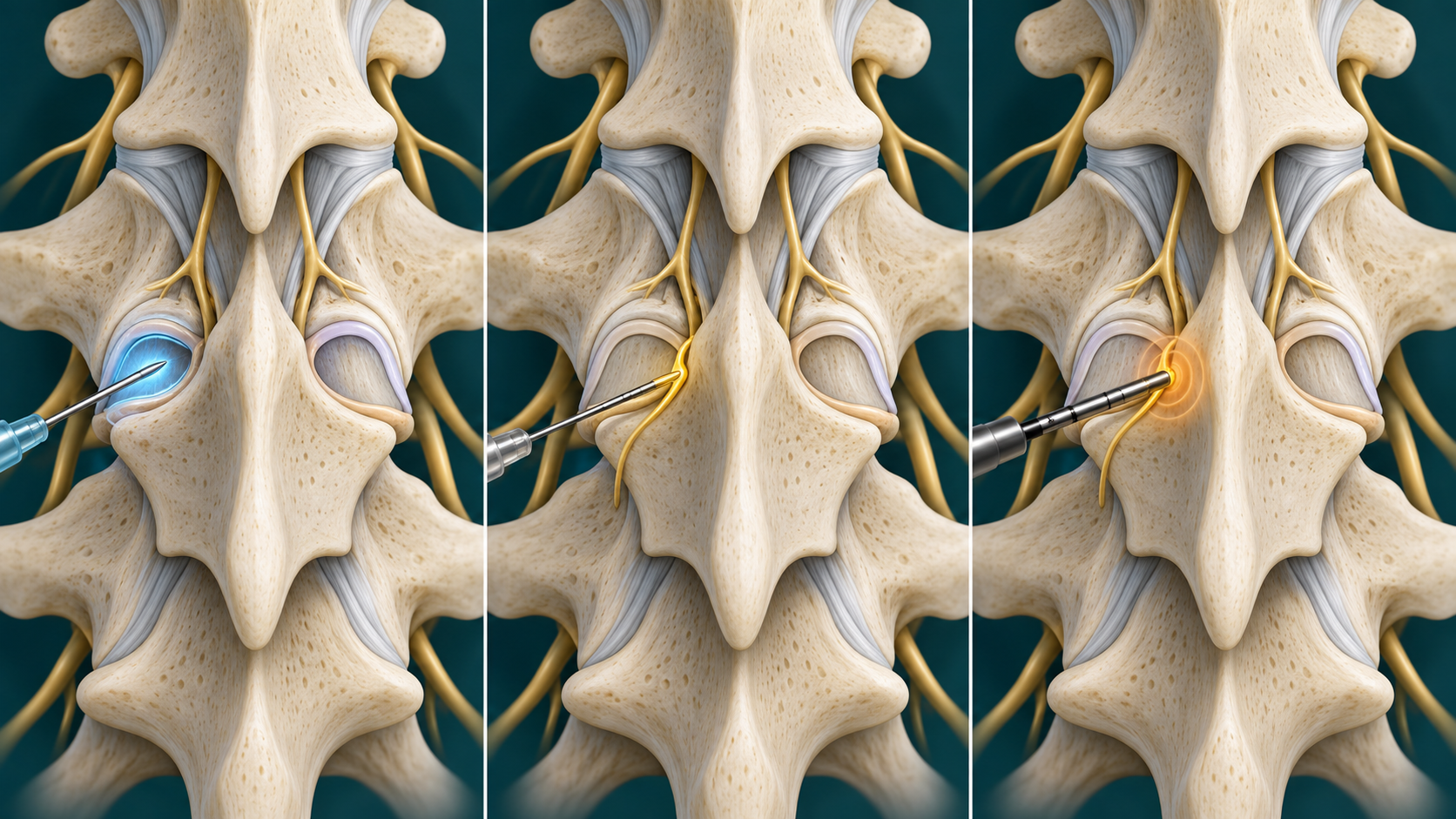
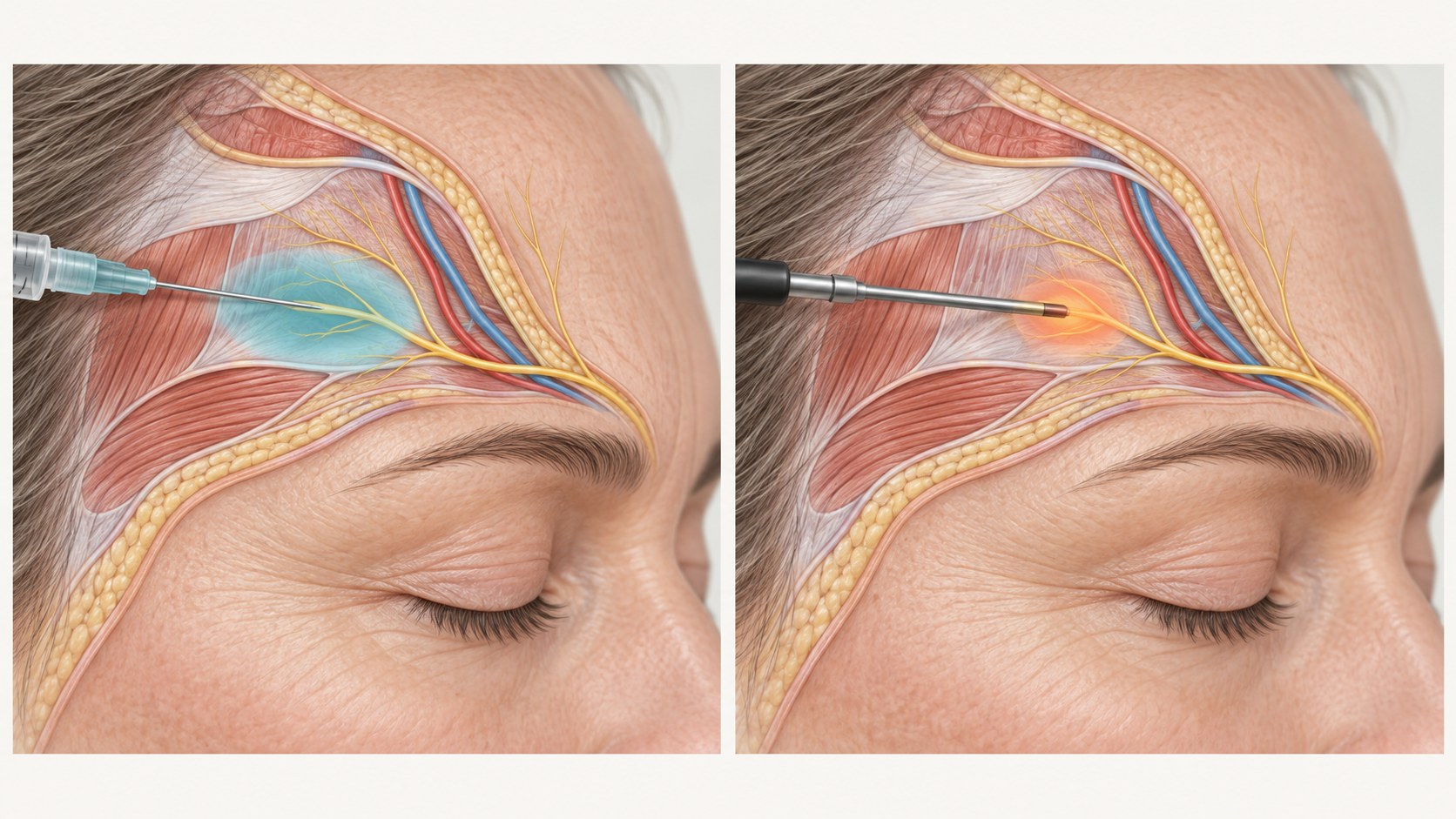
  • Radiofrequency Ablation
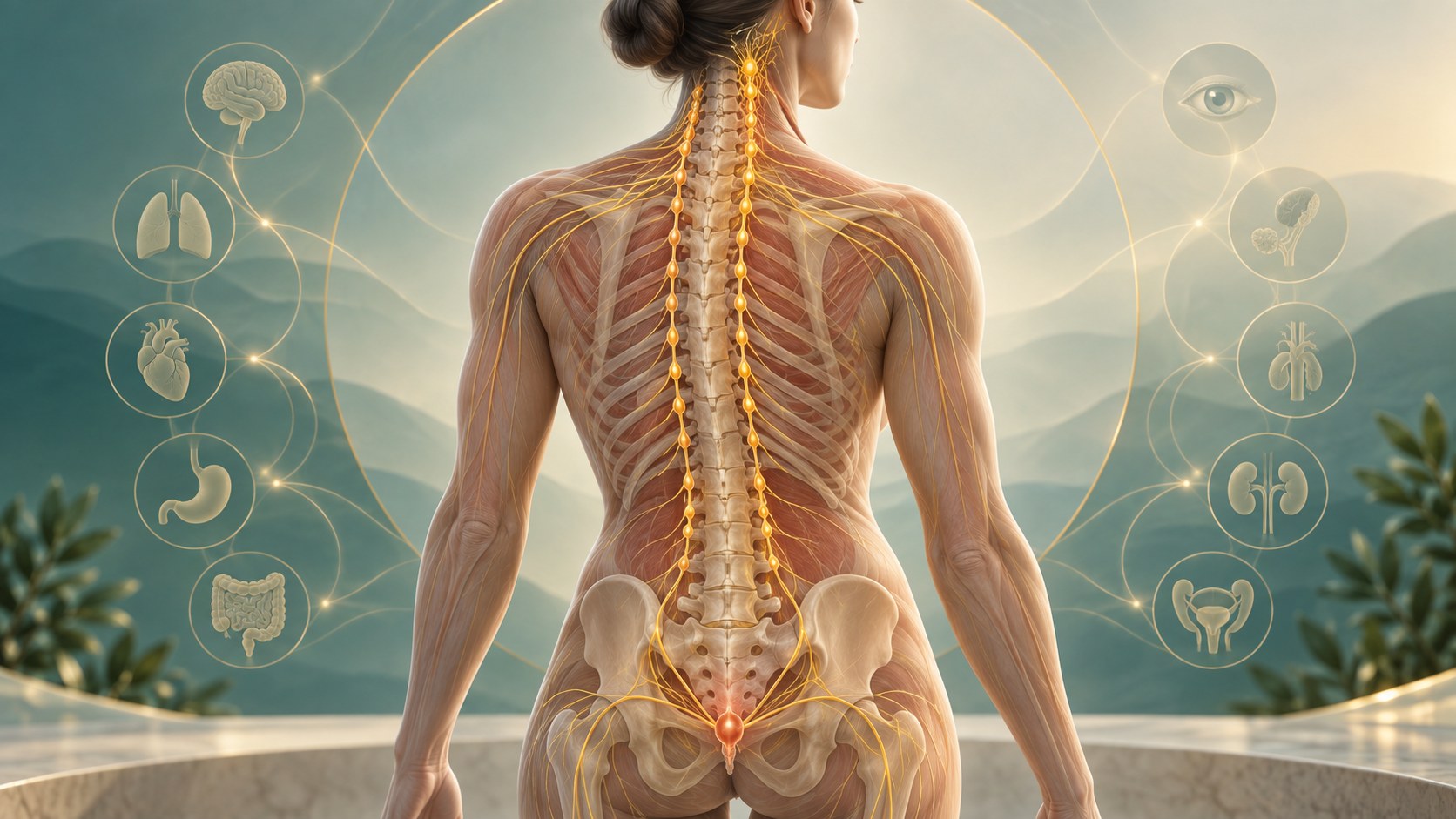
  • Spinal Cord Stimulation
  • Neuromodulation
  • Dorsal Root Ganglion Stimulation

Regenerative Medicine

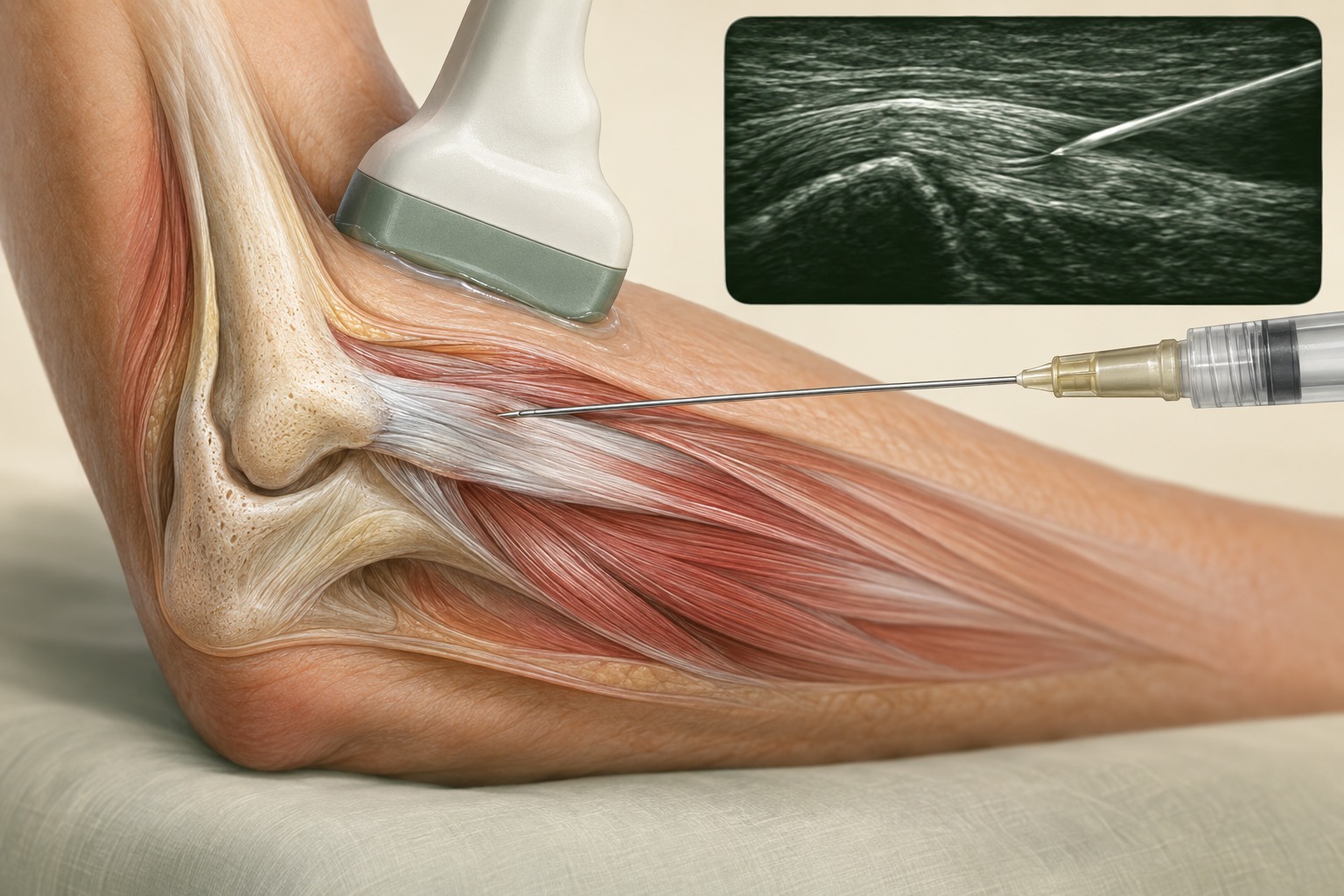
  • Platelet-Rich Plasma (PRP)
  • Regenerative Medicine Treatments

Medication Management

  • Opioid Mitigation
  • Personalized Medication Management

Each procedure is recommended only after a thorough evaluation to ensure it is appropriate for your diagnosis.

How do I know which pain treatment is right for me?

You’ll begin with a comprehensive evaluation with Dr. David Nwokeabia. After reviewing your symptoms, medical history, imaging studies, and previous treatments, he will recommend a personalized treatment plan designed to address the source of your pain and help you achieve lasting relief.

Do I need a referral to schedule an appointment?

In most cases, patients can schedule directly with our office, although some insurance plans may require a referral from your primary care physician. Additionally, our staff is happy to verify your insurance benefits and explain any referral requirements before your visit.

What types of pain do you treat?

We treat a wide variety of painful conditions, including back pain, neck pain, sciatica, arthritis, joint pain, neuropathy, spinal stenosis, herniated discs, complex regional pain syndrome (CRPS), and other chronic pain conditions affecting the spine, joints, and nerves.

What treatments do you offer?

Solutions in Pain provides advanced, minimally invasive treatment options including epidural steroid injections, platelet-rich plasma (PRP) therapy, radiofrequency ablation (RFA), spinal cord stimulation, neuromodulation, regenerative medicine, joint injections, nerve blocks, and personalized medication management. Every treatment plan is customized to your individual needs.

Will my insurance cover treatment?

Ultimately, coverage depends on your insurance provider and the specific procedure being recommended. Generally, most medically necessary pain management treatments are covered by insurance, while some regenerative medicine procedures may not be. Beforehand, our team will verify your benefits and discuss any out-of-pocket costs.

Are pain management procedures painful?

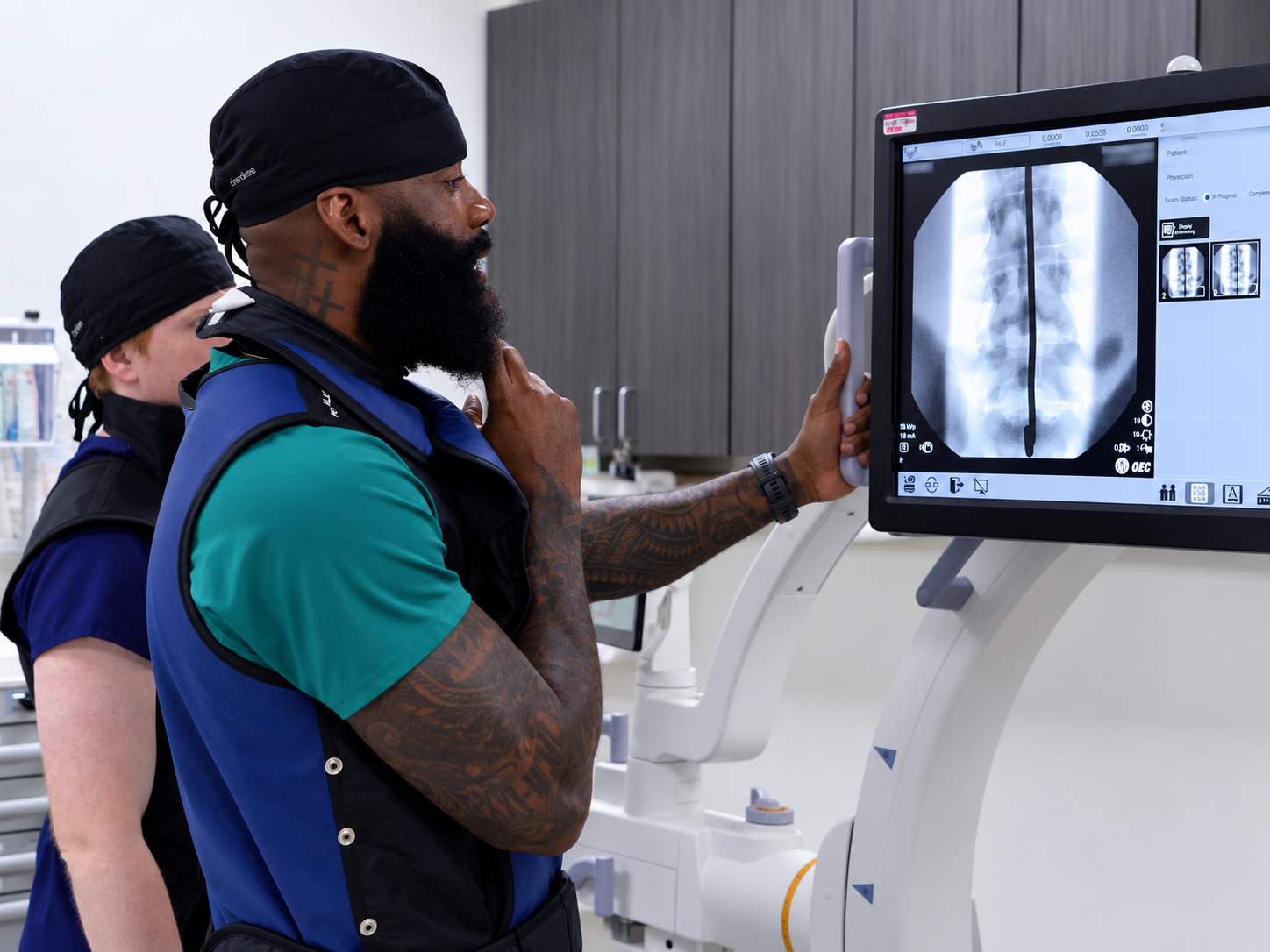
Most procedures involve only mild discomfort and are performed using advanced imaging guidance to maximize precision and patient comfort. Depending on the procedure, local anesthetic or light sedation may be used. Most patients return home the same day.

How long does recovery take?

Recovery varies depending on the treatment performed. Many minimally invasive procedures require little downtime, allowing patients to resume normal activities within a day or two. Dr. Nwokeabia will provide personalized recovery instructions based on your treatment.

When should I consider seeing a pain management specialist?

If pain has lasted several weeks, continues to interfere with your daily activities, or has not improved with conservative treatments such as medication or physical therapy, it may be time to consult a pain management specialist. Early evaluation can often help prevent pain from becoming more severe or chronic.

Can pain management help me avoid surgery?

Many patients are able to manage their pain successfully with minimally invasive treatments that reduce inflammation, improve function, and relieve chronic pain without surgery. While surgery is sometimes necessary, our goal is always to recommend the least invasive treatment that provides the greatest opportunity for lasting relief.

What is the difference between an epidural steroid injection and radiofrequency ablation?

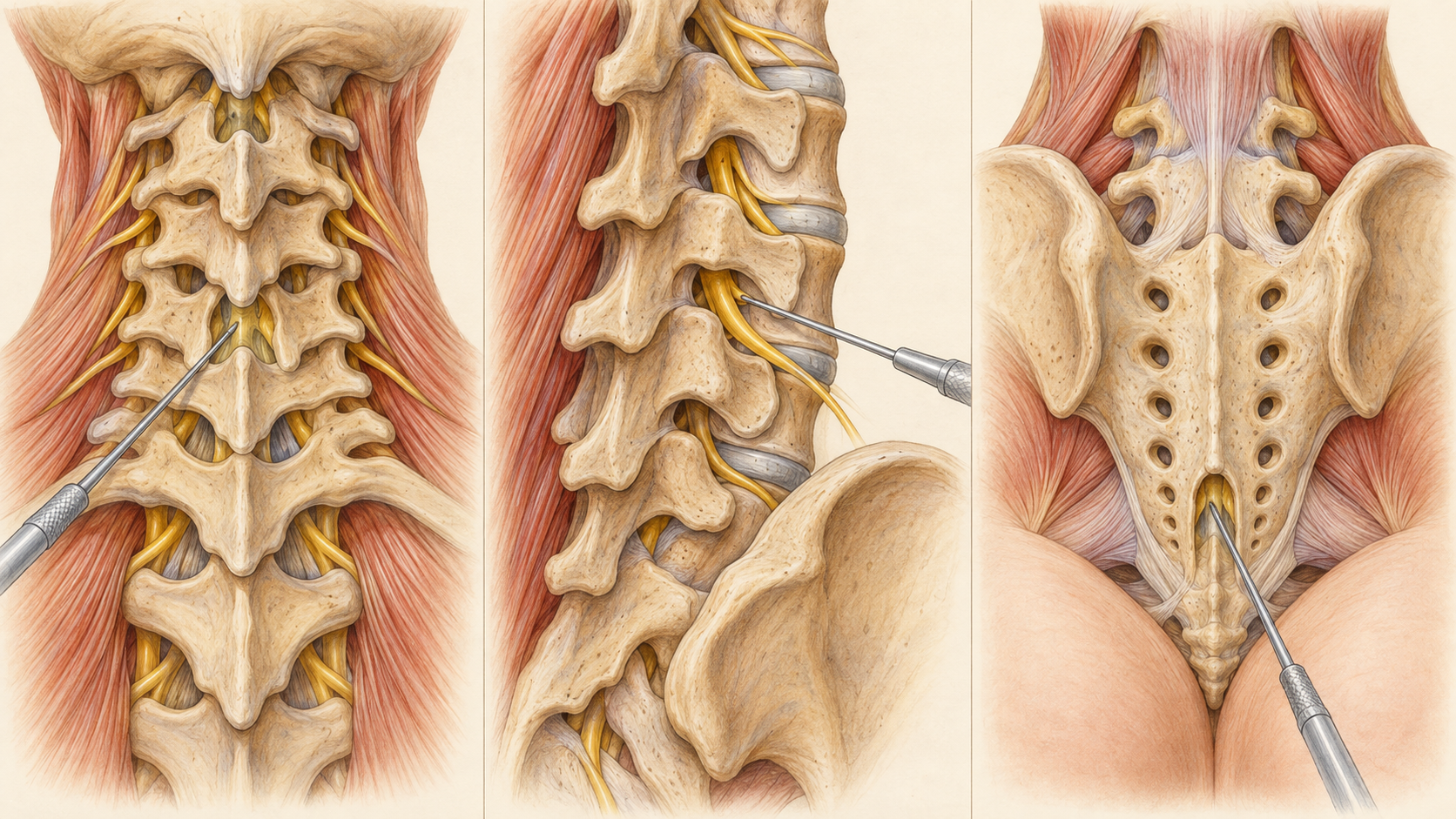
Epidural steroid injections reduce inflammation around irritated spinal nerves and are often used for conditions such as herniated discs, spinal stenosis, and sciatica. Radiofrequency ablation (RFA) works differently by interrupting pain signals from specific nerves and may provide longer-lasting relief for chronic neck, back, and joint pain. During your evaluation, Dr. David Nwokeabia will determine which treatment is best suited for your condition.

How Does Spinal Cord Stimulation Work?

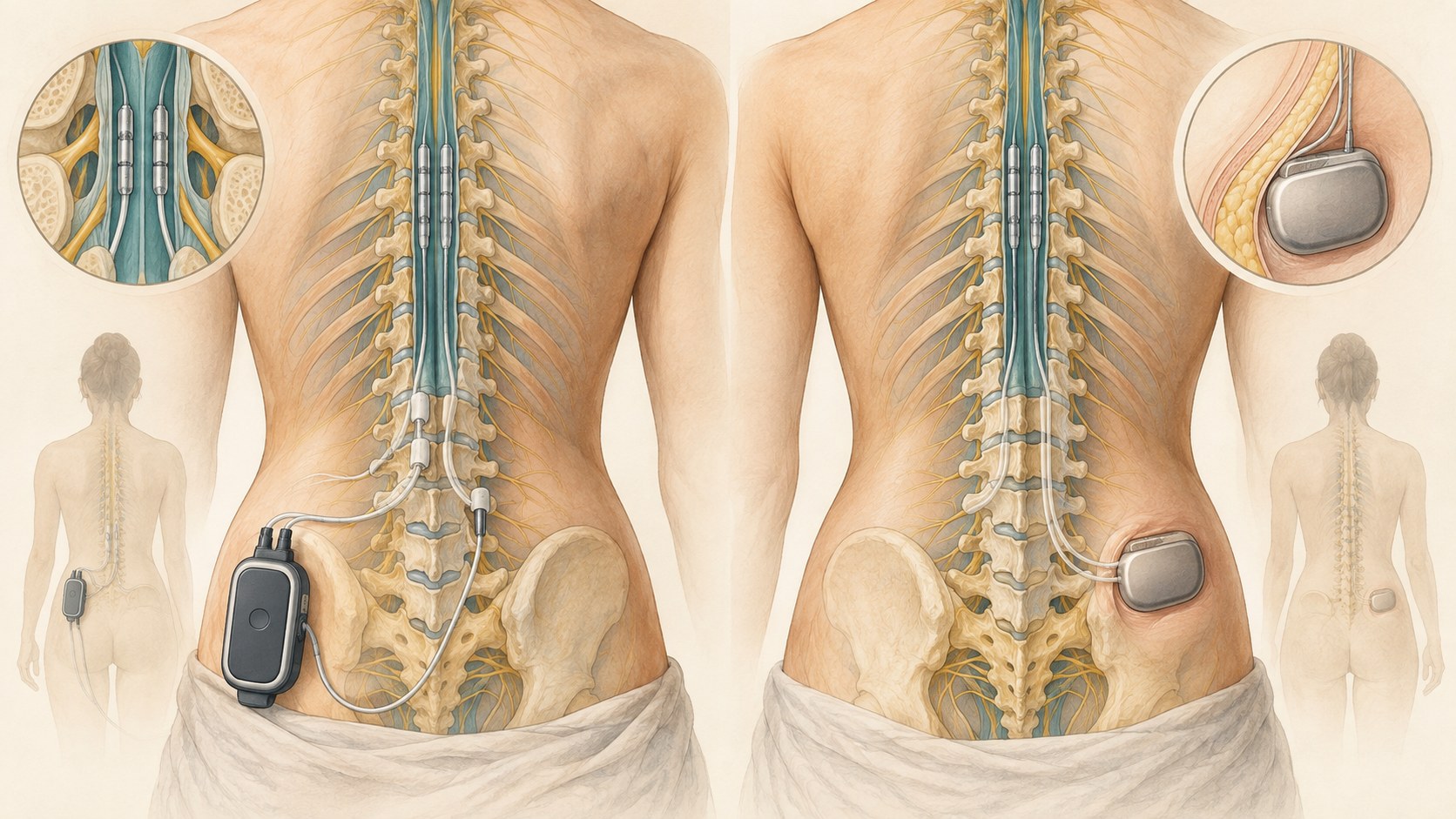
Spinal Cord Stimulation (SCS) is an advanced therapy designed for patients living with chronic pain that has not responded to more conservative treatments. A small implanted device delivers mild electrical impulses that help interrupt pain signals before they reach the brain, providing relief for many patients with chronic back pain, leg pain, or nerve pain.

Dr. David Nwokeabia will determine whether spinal cord stimulation may be appropriate after a comprehensive evaluation.

How Does Regenerative Medicine Help With Pain?

Regenerative Medicine focuses on supporting the body’s natural ability to repair damaged tissue and reduce pain. Treatments such as Platelet-Rich Plasma (PRP) Therapy may be recommended to promote healing and improve function without surgery for appropriate candidates.

These innovative treatments are personalized to each patient’s condition and are often incorporated into a comprehensive pain management plan.

Could Neuromodulation Be Right for Me?

Neuromodulation is an advanced pain management approach that changes how pain signals are transmitted through the nervous system. Treatments such as Spinal Cord Stimulation (SCS) and Dorsal Root Ganglion (DRG) Stimulation may provide lasting relief for patients with certain chronic pain conditions when other treatments have not been successful.

Dr. Nwokeabia will discuss whether neuromodulation may be an appropriate option based on your diagnosis and previous treatment history.

How long do pain management treatments last?

The duration of pain relief varies depending on the procedure and the underlying condition being treated. Some injections provide relief for several weeks or months, while treatments such as radiofrequency ablation and spinal cord stimulation may provide longer-lasting results. Your treatment plan will be customized to your specific diagnosis.

Are minimally invasive treatments safe?

When performed by a trained interventional pain management physician, minimally invasive procedures are generally considered safe and effective for appropriately selected patients. Before recommending any treatment, Dr. Nwokeabia reviews your medical history, discusses potential benefits and risks, and answers any questions you may have.

Why choose Solutions in Pain?

Solutions in Pain provides compassionate, patient-centered care with advanced diagnostic techniques and evidence-based treatment options. Dr. David Nwokeabia develops personalized care plans designed to reduce pain, restore function, and help patients return to the activities they enjoy. With convenient locations in Allen and Wylie, we proudly serve patients throughout the Dallas–Fort Worth area.

Can I receive more than one type of pain treatment?

Yes. Many patients benefit from a personalized treatment plan that combines multiple therapies to achieve the best possible results. Depending on your diagnosis, Dr. David Nwokeabia may recommend a combination of treatments such as Epidural Steroid Injections, Radiofrequency Ablation (RFA), Platelet-Rich Plasma (PRP) Therapy, Neuromodulation, or Spinal Cord Stimulation (SCS) as part of your comprehensive pain management plan.

Recommendations are based on your specific condition, medical history, treatment goals, and response to previous therapies. Our objective is to develop the most effective plan to reduce pain, improve function, and help you return to the activities you enjoy.

Which Pain Treatment Is Right for You?

Every patient’s pain is different, and the most effective treatment depends on the underlying cause of your symptoms. At Solutions in Pain, Dr. David Nwokeabia performs a comprehensive evaluation to identify the source of your pain before recommending a personalized treatment plan. The chart below provides a general overview of some of our most common treatment options and the conditions they are designed to address.


Treatment Epidural Steroid Injections PRP Therapy Radiofrequency Ablation Spinal Cord Stimulation
Best For Herniated discs, sciatica, and spinal stenosis Arthritis, tendon injuries, and sports injuries Chronic neck pain, back pain, and facet joint pain Chronic nerve pain and pain that has not improved with conservative care
Primary Goal Reduce inflammation around irritated spinal nerves Support the body’s natural healing process Interrupt targeted pain signals for longer-lasting relief Modify pain signals before they reach the brain
Procedure Type Image-guided injection Regenerative injection using concentrated platelets Minimally invasive outpatient procedure Temporary trial followed by implantation when appropriate
Typical Recovery Often same-day return home with limited downtime Generally minimal downtime Often one to three days, depending on the patient Varies between the trial and permanent implant procedures
May Help With Back pain, leg pain, sciatica, and nerve irritation Joint pain, arthritis, and soft-tissue injuries Facet joint pain and chronic spine-related pain Persistent nerve pain and certain chronic pain conditions
Learn More Epidural Steroid Injections PRP Therapy Radiofrequency Ablation Spinal Cord Stimulation

This chart provides a general overview only. The most appropriate treatment depends on your diagnosis, medical history, symptoms, and treatment goals. Dr. David Nwokeabia will complete a thorough evaluation before recommending a personalized treatment plan.

What to Expect From Your Pain Management Journey

Each patient’s path to pain relief is unique. While some treatments provide relief within days, others may take several weeks as your body heals and responds to treatment. During your consultation, Dr. David Nwokeabia will explain what you can realistically expect based on your diagnosis, recommended treatment, and overall health.

Our team is committed to helping you understand each step of the process so you can make informed decisions about your care and feel confident in your personalized treatment plan.

At Solutions in Pain, we believe every treatment recommendation should be supported by clinical evidence and tailored to the individual patient. Dr. David Nwokeabia combines the latest advances in interventional pain management with years of specialized training to develop treatment plans based on current medical research, established clinical guidelines, and each patient’s unique condition.

Solutions in Pain offers advanced therapies—including Epidural Steroid Injections, Platelet-Rich Plasma (PRP) Therapy, Radiofrequency Ablation (RFA), Spinal Cord Stimulation (SCS), Neuromodulation, and Regenerative Medicine—using evidence-based techniques designed to improve function, reduce pain, and help patients return to the activities they enjoy.

Evidence-Based Treatments Backed by Medical Research

PRP therapy has been studied across a range of orthopedic and pain management applications, with researchers continuing to evaluate its role in clinical practice. While results vary by patient and condition, the current body of evidence suggests several areas where PRP may be a reasonable option to discuss with a specialist:

  • Osteoarthritis: Studies on knee osteoarthritis have reported that some patients experience reduced pain and improved joint function following PRP, particularly when compared to certain alternative injection therapies.
  • Tendon Injuries: Research on conditions such as tennis elbow has shown improvement in pain and function for some patients receiving PRP, with several studies suggesting longer-term benefit compared to corticosteroid injections.
  • Soft Tissue Healing: A growing body of clinical research continues to evaluate PRP’s potential role in supporting the body’s repair process for certain soft tissue injuries.

It is important to note that study results vary, and not all research reaches the same conclusion. A 2024 systematic review published in Military Medicine summarizing the current evidence on PRP for knee osteoarthritis is one example of the ongoing research in this area. As with any medical treatment, individual outcomes depend on your specific diagnosis, overall health, and treatment plan. During your consultation, our specialists will review the most current evidence relevant to your situation and discuss whether PRP is an appropriate option for you.

What to Expect During Your First Appointment

Your first visit is focused on understanding the source of your pain and developing a personalized treatment strategy.

During your appointment, you can expect:

✔ A detailed discussion of your symptoms

✔ Review of previous treatments and imaging

✔ Comprehensive physical evaluation

✔ Discussion of available treatment options

✔ Time to ask questions and understand your diagnosis

✔ A personalized care plan designed specifically for you

Whether your treatment involves an injection, regenerative medicine, neuromodulation, or another advanced procedure, our goal is to ensure you understand every step before moving forward.

Questions to Ask During Your Consultation


We encourage every patient to take an active role in their care. Some helpful questions include:

  • Which treatment is most appropriate for my diagnosis?
  • What results can I realistically expect?
  • How long will recovery take?
  • Will I need more than one treatment?
  • Are there alternatives if this treatment doesn’t provide enough relief?
  • How soon can I return to work and normal activities?
  • What lifestyle changes can help improve my long-term results?

The more informed you are, the more confident you’ll feel about your treatment plan.

What Should You Expect From Treatment?

Finding the right pain treatment begins with understanding the source of your pain. At Solutions in Pain, every treatment plan is personalized after a comprehensive evaluation by Dr. David Nwokeabia.

Care may include an epidural steroid injection, PRP therapy, radiofrequency ablation, spinal cord stimulation, neuromodulation, or another advanced procedure — and our goal is to provide the safest and most effective treatment for your condition.

Most procedures are performed in an outpatient setting, allowing patients to return home the same day. Before your procedure, we’ll explain exactly what to expect, discuss the benefits and potential risks, answer your questions, and provide detailed recovery instructions.

Are These Treatments Safe?

The advanced pain management procedures offered at Solutions in Pain have been used successfully to help thousands of patients manage chronic pain while avoiding or delaying more invasive surgery. As with any medical procedure, every treatment carries potential risks, but serious complications are uncommon when procedures are performed by experienced physicians using appropriate imaging guidance.

Possible temporary side effects may include:

  • Mild soreness or tenderness at the treatment site
  • Temporary bruising or swelling
  • Temporary numbness following certain injections
  • Mild discomfort during recovery
  • Rare risk of infection or bleeding

Before recommending any procedure, Dr. David Nwokeabia carefully reviews your medical history, medications, and treatment goals to determine which option is the safest and most appropriate for your individual condition.

Why Choose Solutions in Pain?

Choosing the right pain management physician is one of the most important decisions you can make. At Solutions in Pain, we combine compassionate, patient-centered care with advanced interventional pain management techniques to help patients throughout Allen, Wylie, and the greater Dallas–Fort Worth area find lasting relief.

This practice focuses on treating the source of pain—not simply masking symptoms. Treatment plans are tailored to your individual diagnosis, lifestyle, and goals using the latest minimally invasive procedures and evidence-based therapies.

If you’re living with back pain, neck pain, sciatica, arthritis, joint pain, neuropathy, or another chronic pain condition, our mission is to help you regain mobility, restore function, and improve your quality of life.

Ready to Find Lasting Pain Relief?

Living with chronic pain doesn’t have to be your new normal. At Solutions in Pain, we take the time to understand the source of your pain before recommending a personalized treatment plan designed specifically for you.

Whether you’re struggling with back pain, neck pain, sciatica, arthritis, joint pain, neuropathy, or another chronic pain condition, Dr. David Nwokeabia offers advanced, minimally invasive treatment options to help you regain mobility, improve function, and get back to the activities you enjoy.

From your first consultation through every stage of treatment, our compassionate team is committed to providing expert care tailored to your individual needs.

Solutions in Pain serves patients throughout the DFW area, with locations in Allen and Wylie, TX.
To ask questions or schedule an evaluation, contact our office today.