
The diagnosis and named target come before the procedure.
Abdominal, pelvic, groin, chest wall and rib procedures
Transversus Abdominis Plane Block
Transversus Abdominis Plane Block is a target-specific injection procedure near the somatic abdominal-wall fascial plane. It may enter a selected diagnostic or therapeutic discussion, but it is not a generic treatment for every pain pattern in the region.
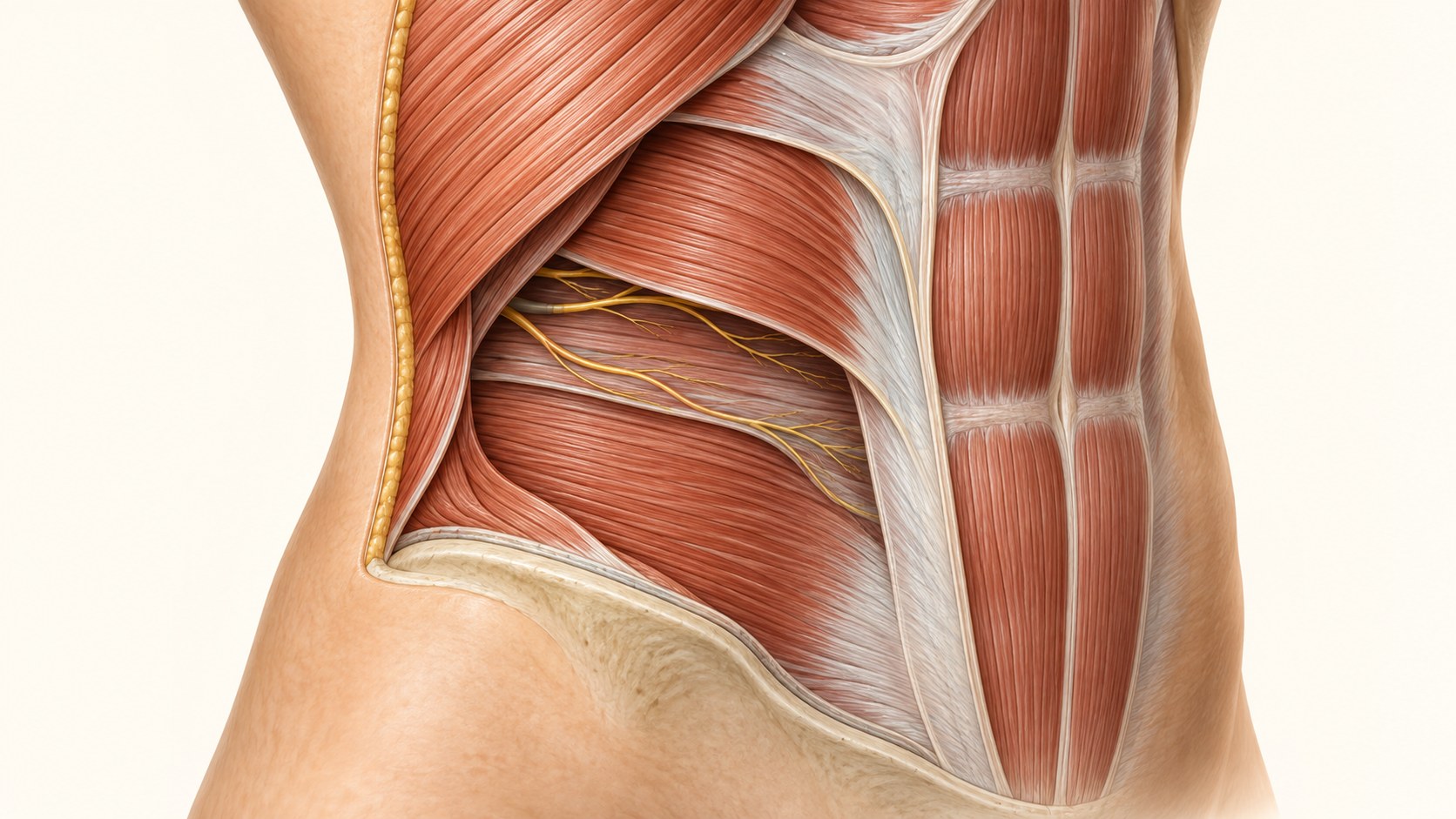
Quick orientation
What to know first
Nerve block, fascial-plane block, sympathetic block, and radiofrequency are not interchangeable.
Response may inform a plan but does not prove diagnosis, predict duration, or require another procedure.
Target and mechanism
The target defines the procedure
The somatic abdominal-wall fascial plane has a defined anatomic course and neighboring vessels, muscles, bone, viscera, or sensory branches. visceral pain, named groin neuralgias, hernia, spine, and organ-system causes remain separate targets and diagnoses. Evidence from acute postoperative analgesia cannot be assumed to establish chronic pain efficacy.
Patient selection
Selection questions
Selection begins with a clinically coherent diagnosis and a specific anatomic target. It also considers competing diagnoses, prior treatment, medication and bleeding risk, infection risk, goals, and whether a procedure is the right next decision.
A clinically coherent diagnosis and specific anatomic target
Meaningful functional burden despite appropriate care or a focused diagnostic question
A risk review that supports the selected target and technique
A defined goal and reassessment plan
A staged decision
How we decide what may come next
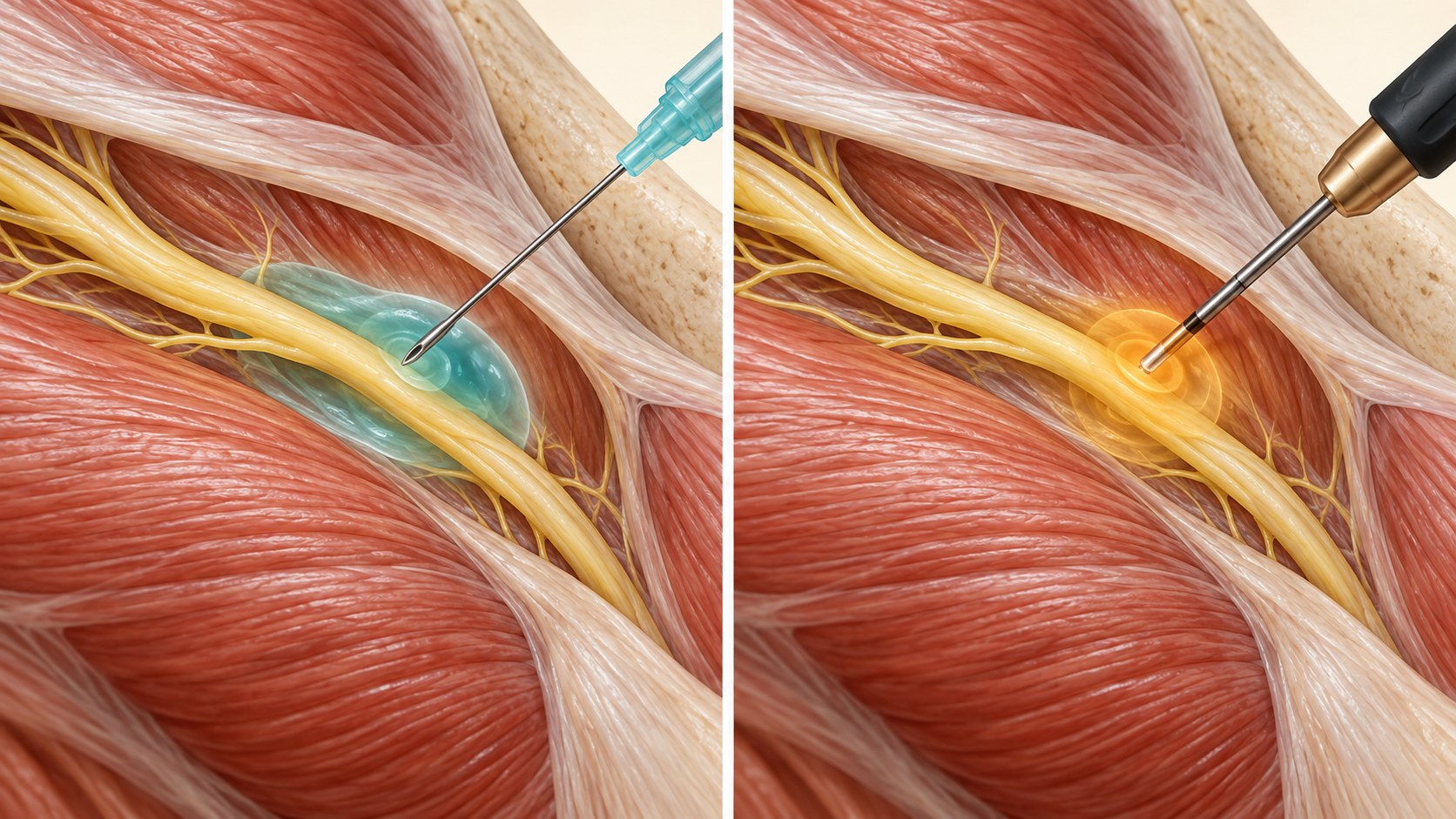
A needle is guided toward the selected target and medication is delivered after position and safety checks. The approach, imaging, medication, and aftercare depend on the anatomy and individual risk review.
Related care
Conditions this treatment may be considered for
These related options are educational. They do not establish a diagnosis, candidacy, recommendation, or required treatment sequence.
Therapeutic Consideration
Abdominal Wall Pain
May be considered for selected abdominal-wall pain after visceral, hernia, surgical, spine, and urgent causes are addressed.
Explore this pageDecision process
Decision sequence
A procedure is an optional treatment discussion, not an automatic step. The response must be reassessed against the usual symptoms and meaningful activities. A limited, absent, or discordant response should reopen the diagnosis and alternatives instead of triggering an automatic series.
Confirm the diagnosis and named target
Review alternatives, evidence quality, and medical risks
Define meaningful functional and symptom goals
Reassess the result before deciding what comes next
Evidence at a glance
Evidence at a glance
Study results depend on diagnosis, selection, comparator, technique, outcome, and follow-up.
The TAP block targets somatic abdominal-wall pathways rather than visceral pain.
Acute perioperative evidence does not establish effectiveness for every chronic abdominal pain presentation.
Chronic-pain evidence is heterogeneous and requires diagnosis-specific interpretation.
Decision quality matters
Evidence, limits, and who it may fit
A listed option or imaging finding does not establish candidacy. Evidence and uncertainty must be matched to the individual question.
Risks and limits
Evidence, risks, and limits
The TAP block targets somatic abdominal-wall pathways rather than visceral pain. Acute perioperative evidence does not establish effectiveness for every chronic abdominal pain presentation. Chronic-pain evidence is heterogeneous and requires diagnosis-specific interpretation.
Bleeding, infection, local pain, temporary numbness or weakness, vascular injury, peritoneal or nearby organ injury, and local anesthetic toxicity require individualized consent.
Medication, volume, image-guidance approach, sedation, medication holds, driving, activity, and follow-up are individualized.
A procedure does not replace evaluation of urgent visceral, cardiac, pulmonary, neurologic, infectious, vascular, or oncologic causes.
The visit
What to expect from a consultation
The visit should define the diagnosis, intended target, evidence, alternatives, risks, and the next useful decision. Medication, frequency, sedation, medication holds, driving, and aftercare remain individualized clinician decisions.
Common questions
Transversus Abdominis Plane Block FAQ
These answers are educational and cannot determine an individual diagnosis or treatment plan.
Does Transversus Abdominis Plane Block diagnose every cause of pain in the region?
No. It addresses one selected target and cannot replace evaluation of visceral, musculoskeletal, spinal, pelvic-floor, pulmonary, or other causes.
Does a block or prior response guarantee that Transversus Abdominis Plane Block will help?
No. A response may inform selection but cannot prove diagnosis or predict the magnitude or duration of benefit.
Is another procedure automatically required after Transversus Abdominis Plane Block?
No. Every next step depends on reassessment, evidence, risks, alternatives, function, and the individual clinical picture.
Question before procedure
Start with a diagnosis-first consultation
A consultation can clarify whether a selected procedure, another treatment, continued conservative care, or referral fits the clinical picture.