
Living with ongoing discomfort can affect nearly every aspect of daily life, from work performance to personal relationships and overall well-being. Pain Management is a specialized medical approach designed to identify the source of pain and provide effective treatment options that improve quality of life. Whether pain results from an injury, chronic condition, surgery, or aging, professional care can help patients regain control over their health and daily activities.
Many people assume they must simply live with pain, but modern treatment methods offer numerous solutions that can reduce symptoms and improve function. Understanding the benefits of pain management therapy is essential for anyone seeking long-term relief, improved mobility, and a better quality of life. This article explores how pain management therapy helps individuals overcome physical limitations and achieve lasting wellness.
Understanding Pain Management Therapy
Pain management therapy is a comprehensive approach that focuses on diagnosing, treating, and reducing pain caused by various medical conditions. Rather than addressing only symptoms, specialists work to identify the underlying causes of discomfort and develop personalized treatment plans.
Treatment options often include physical therapy, medication management, minimally invasive procedures, lifestyle modifications, and advanced medical techniques. Every patient experiences pain differently, which is why individualized care is a critical component of successful treatment.
The goal is not simply to mask pain but to improve overall physical function and daily comfort. By addressing both immediate symptoms and long-term health concerns, patients often experience meaningful improvements in their quality of life.
Pain management specialists collaborate with patients to create sustainable solutions that fit their specific needs and lifestyles. This personalized approach helps ensure better outcomes and long-term success.
Improved Quality of Life
One of the most significant benefits of pain management therapy is the improvement in overall quality of life. Chronic pain can interfere with work, family activities, hobbies, and even basic daily tasks.
When pain is effectively controlled, patients often experience greater independence and confidence. Everyday activities such as walking, exercising, driving, and household responsibilities become easier to manage.
Reduced discomfort can also positively impact emotional well-being. Many individuals find that they are able to participate more actively in social events and spend more meaningful time with family and friends.
As pain levels decrease, patients frequently report increased satisfaction with their daily lives. This improved sense of well-being contributes to both physical and mental health benefits over time.
Enhanced Mobility and Physical Function
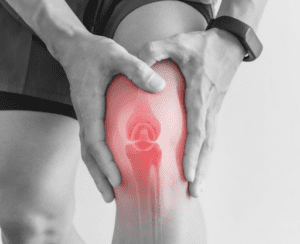
Pain often limits movement, making it difficult for individuals to stay active. Restricted mobility can lead to muscle weakness, reduced flexibility, and additional health concerns.
Pain management therapy helps patients regain movement through targeted treatments designed to reduce inflammation, improve joint function, and strengthen affected areas. Physical therapy programs are often incorporated to support recovery and increase mobility.
Improved movement allows individuals to perform daily activities with greater ease and less discomfort. Whether climbing stairs, exercising, or completing household tasks, enhanced physical function contributes to greater independence.
By restoring mobility, patients are also more likely to maintain healthy activity levels, which can further support long-term health and wellness goals.
Reduced Dependence on Medication
Many individuals rely heavily on pain medications to manage chronic discomfort. While medications can provide relief, long-term use may carry risks and potential side effects.
Pain management therapy often incorporates multiple treatment methods that reduce the need for excessive medication use. Specialists may recommend physical rehabilitation, interventional procedures, lifestyle adjustments, and alternative therapies to address pain more effectively.
A comprehensive treatment plan can help patients achieve symptom relief while minimizing reliance on prescription medications. This balanced approach may reduce concerns related to medication tolerance and dependency.
By addressing the root cause of pain, therapy provides a more sustainable solution for long-term symptom management and overall health improvement.
Personalized Treatment Plans
Every patient experiences pain differently, which makes personalized care essential. A one-size-fits-all approach rarely produces optimal results when dealing with chronic or complex conditions.
Pain management specialists conduct thorough evaluations to understand each patient’s symptoms, medical history, and lifestyle factors. Based on this information, they develop customized treatment plans designed to meet specific goals.
Personalized care allows providers to adjust treatments as patient needs evolve over time. This flexibility helps maximize effectiveness and improve long-term outcomes.
When patients receive treatment tailored to their unique circumstances, they are often more likely to achieve meaningful and lasting relief from pain-related challenges.
Better Management of Chronic Conditions
Many chronic conditions, including arthritis, neuropathy, back pain, and fibromyalgia, can significantly impact daily life. Effective treatment requires ongoing monitoring and specialized care.
Pain management therapy helps individuals manage these conditions through a combination of medical interventions and supportive therapies. Specialists focus on reducing symptoms while improving function and overall well-being.
Regular follow-up appointments allow providers to evaluate progress and modify treatment plans as necessary. This proactive approach can help prevent symptoms from worsening over time.
Patients who receive consistent care often experience improved symptom control and a greater ability to maintain normal daily routines despite chronic health challenges.

Support for Recovery After Injury or Surgery
Recovering from surgery or injury can be challenging, especially when pain interferes with rehabilitation efforts. Proper pain control is essential for promoting healing and restoring function.
Pain management therapy provides targeted treatments that support recovery while minimizing discomfort. Patients are often able to participate more fully in rehabilitation programs when pain is effectively managed.
Improved pain control may accelerate recovery timelines and help individuals regain strength and mobility more efficiently. This can be particularly beneficial following orthopedic procedures or traumatic injuries.
A structured treatment plan supports both physical healing and overall recovery, helping patients return to their normal activities sooner.
Improved Mental and Emotional Health
Persistent pain can take a significant toll on mental and emotional well-being. Individuals experiencing chronic discomfort may develop stress, anxiety, frustration, or depression.
Pain management therapy addresses both the physical and emotional effects of pain. As symptoms improve, many patients experience better mood, increased confidence, and reduced emotional distress.
Improved sleep quality and increased activity levels also contribute to enhanced mental health outcomes. Patients often report feeling more optimistic and motivated when pain becomes more manageable.
A comprehensive treatment approach recognizes the connection between physical and emotional wellness, supporting overall health and quality of life.
Access to Advanced Treatment Options
Modern pain management clinics offer access to innovative therapies and advanced treatment techniques that may not be available through general medical care alone.
These options can include injections, nerve blocks, regenerative medicine, spinal cord stimulation, radiofrequency ablation, and other minimally invasive procedures. Such treatments often provide targeted relief with shorter recovery times.
Advancements in medical technology continue to improve the effectiveness of pain management therapies. Patients benefit from evidence-based treatments that address a wide range of conditions.
Access to specialized care ensures that individuals receive the most appropriate and effective treatment options for their unique circumstances.
Long-Term Wellness and Preventive Care
Pain management therapy focuses not only on current symptoms but also on preventing future problems. Long-term wellness strategies help patients maintain improvements and reduce the risk of recurring pain episodes.
Providers often educate patients about posture, exercise, nutrition, stress management, and lifestyle habits that support overall health. These preventive measures can contribute to sustained symptom relief.
By taking a proactive approach to health, patients can reduce the likelihood of future complications and improve their overall quality of life.
Long-term care plans encourage healthier habits and empower individuals to take an active role in managing their well-being.
Conclusion
The benefits of pain management therapy extend far beyond temporary symptom relief. From improving mobility and physical function to enhancing emotional well-being and supporting long-term wellness, professional treatment can make a meaningful difference in daily life. Patients dealing with chronic conditions, injuries, or post-surgical pain often experience greater independence and improved quality of life through personalized care plans.
If you are seeking effective pain relief and comprehensive treatment options in Allen, the experienced team at Solutions In Pain is ready to help. Their patient-focused approach is designed to address the root causes of discomfort while supporting long-term health and recovery. To learn more or schedule a consultation, contact Solutions In Pain today at (469) 251-8488 and take the first step toward lasting relief.
https://zanderoliverrios.podbean.com/e/what-are-the-benefits-of-pain-management-therapy/
https://www.podomatic.com/podcasts/zanderoliverriospodcast/episodes/2026-06-19T06_40_47-07_00
https://stream.redcircle.com/episodes/fa39a8d0-c5ec-40e2-892b-60a000776638/stream.mp3