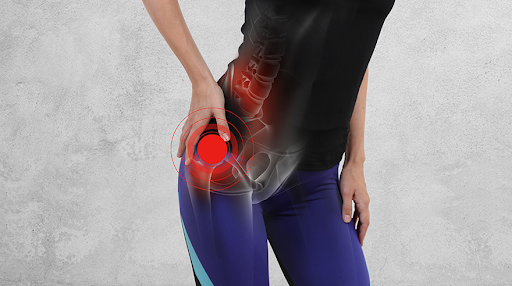
Living with chronic or acute pain can affect every part of daily life, from work productivity to sleep quality and emotional well-being. Finding the right Pain Management treatment is essential for improving mobility, restoring comfort, and helping people return to normal activities. Whether pain is caused by injury, arthritis, nerve damage, or a long-term medical condition, there are many treatment options available that can provide relief and improve overall health.
Modern pain care focuses on identifying the root cause of discomfort rather than simply masking symptoms. With advancements in medical technology, physical therapy, and minimally invasive procedures, patients now have more effective solutions than ever before. Understanding the best treatment options can help individuals make informed decisions about their care and long-term recovery.
Understanding the Causes of Chronic Pain
Pain can develop from many different conditions, including injuries, inflammation, surgery, nerve disorders, and chronic diseases. Some people experience short-term discomfort after an accident, while others struggle with ongoing pain for months or even years. Identifying the source of pain is one of the most important steps in creating an effective treatment plan.
Chronic pain often affects muscles, joints, nerves, and soft tissues. Conditions like arthritis, fibromyalgia, sciatica, and back injuries are common contributors to long-term discomfort. In some cases, pain may worsen due to poor posture, repetitive movement, or stress-related tension in the body.
A proper medical evaluation allows specialists to determine the severity and origin of symptoms. Diagnostic imaging, physical examinations, and patient history help physicians develop personalized treatment plans that target the underlying problem rather than temporarily hiding symptoms.
Physical Therapy for Long-Term Relief
Physical therapy is one of the most recommended approaches for reducing pain and improving mobility. This treatment focuses on strengthening muscles, increasing flexibility, and restoring movement through guided exercises and rehabilitation techniques. Many patients experience significant improvement without the need for surgery.
Therapists create customized exercise programs based on the patient’s condition and physical limitations. Stretching exercises can reduce muscle tension, while strengthening routines help support joints and improve stability. Patients recovering from injuries often benefit from posture correction and movement training as well.
Consistent therapy sessions may also reduce the risk of future injuries. By improving body mechanics and mobility, physical therapy supports long-term healing and helps patients regain independence in daily activities. Many healthcare providers include physical rehabilitation as part of a comprehensive Pain Management strategy.
Medication-Based Pain Treatments
Medications are commonly used to help patients manage pain symptoms and improve daily comfort. Depending on the condition, physicians may recommend anti-inflammatory drugs, muscle relaxers, nerve pain medications, or topical treatments. These medications can reduce inflammation and help control discomfort during recovery.
Over-the-counter medications may provide relief for mild pain, while prescription treatments are often used for more severe conditions. However, medication should be carefully monitored to avoid side effects or dependency risks. Physicians usually recommend combining medication with other therapies for the best results.
Patients should always follow professional medical guidance when using pain medications. Long-term reliance on medication alone may not address the root cause of pain. Instead, a balanced treatment plan that includes rehabilitation and lifestyle adjustments often produces better long-term outcomes.
Injection Therapy and Minimally Invasive Procedures
For patients with severe or persistent discomfort, injection therapy can provide targeted relief. Corticosteroid injections are commonly used to reduce inflammation in joints, muscles, and spinal areas. These treatments may help patients regain mobility and participate more effectively in rehabilitation programs.
Nerve blocks and epidural injections are also popular options for treating back pain, neck pain, and nerve-related conditions. These procedures are minimally invasive and often performed on an outpatient basis. Many patients experience reduced pain levels within days after treatment.
Advanced procedures such as radiofrequency ablation may offer longer-lasting relief by interrupting pain signals from affected nerves. While results vary from person to person, minimally invasive treatments can significantly improve quality of life without the recovery time associated with surgery.
Chiropractic Care and Spinal Adjustments
Chiropractic care focuses on aligning the spine and improving musculoskeletal function. Many individuals seek chiropractic treatment for back pain, neck pain, headaches, and joint discomfort. Spinal adjustments can help relieve pressure on nerves and improve overall body movement.
Chiropractors use hands-on techniques to correct alignment issues that may contribute to chronic pain. Proper spinal alignment may improve posture, reduce stiffness, and support natural healing processes. Some patients notice immediate relief after treatment sessions.
This approach is often combined with stretching exercises, massage therapy, and lifestyle recommendations. While chiropractic care may not be suitable for every condition, it can be an effective non-surgical option for many individuals dealing with musculoskeletal pain.
Alternative Therapies for Pain Relief
Alternative treatments are becoming increasingly popular for individuals seeking natural ways to manage pain. Acupuncture, massage therapy, yoga, and meditation can complement traditional medical treatments and support overall wellness. These therapies focus on relaxation, circulation, and reducing physical tension.
Acupuncture involves placing thin needles into specific points on the body to stimulate healing and relieve discomfort. Massage therapy can improve blood flow and reduce muscle tightness, while yoga promotes flexibility and stress reduction. Many patients report improved comfort and emotional well-being after incorporating these therapies into their routine.
Stress management also plays an important role in pain relief. Anxiety and emotional stress can increase muscle tension and worsen symptoms. Holistic approaches may help patients achieve both physical and mental balance during recovery.
Lifestyle Changes That Support Pain Reduction
Healthy lifestyle habits can greatly influence how the body responds to pain. Regular exercise, balanced nutrition, hydration, and proper sleep all contribute to better physical health and reduced inflammation. Even small daily changes can improve long-term comfort and mobility.
Maintaining a healthy weight reduces pressure on joints and muscles, especially in the knees, hips, and lower back. Low-impact activities like walking, swimming, and cycling can strengthen the body without causing excessive strain. Staying active also improves circulation and flexibility.
Sleep quality is another important factor in recovery. Poor sleep may increase pain sensitivity and slow healing. Creating healthy routines, reducing stress, and following medical recommendations can help patients maintain a more active and comfortable lifestyle.
When to Seek Professional Pain Care
Many people attempt to ignore pain until symptoms become severe, but early treatment often leads to better outcomes. Persistent discomfort lasting more than a few weeks should be evaluated by a medical professional. Delaying care may allow underlying conditions to worsen over time.
Warning signs such as numbness, weakness, limited mobility, or pain that interferes with daily life should never be ignored. Professional specialists can provide diagnostic testing and recommend the most effective treatment options based on the patient’s condition.
A personalized care plan can improve recovery speed and prevent complications. Every patient experiences pain differently, which is why individualized treatment is essential for achieving lasting relief and restoring quality of life.
Conclusion
Choosing the best treatment for chronic or acute pain depends on the cause, severity, and individual health needs of each patient. From physical therapy and medication to minimally invasive procedures and lifestyle improvements, modern treatment options provide effective ways to reduce discomfort and improve daily living. Early diagnosis and professional guidance can make a major difference in long-term recovery and overall wellness.
If you are searching for trusted care for Pain Management in Allen TX, Solutions In Pain provides personalized treatment plans designed to help patients regain comfort and mobility. To learn more about available treatment options or schedule an appointment, contact Solutions In Pain at (469) 251-8488 today.