
Lumbar Medial Branch Block (MBB)
A lumbar medial branch block is primarily a diagnostic and prognostic procedure used to determine whether one or more lumbar facet joints are a significant source of chronic axial low-back pain.
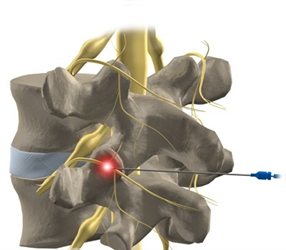
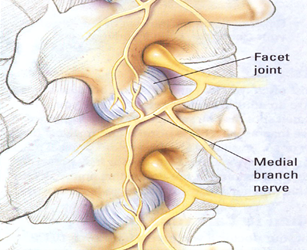
The medial branch nerves are small sensory nerves that carry pain information from the lumbar facet joints. During the procedure, a small amount of local anesthetic is placed near selected medial branch nerves under fluoroscopic guidance. The purpose is to temporarily numb those nerves and measure how the patient’s usual pain changes during activities that normally provoke symptoms.
Who May Be Evaluated With a Lumbar MBB?
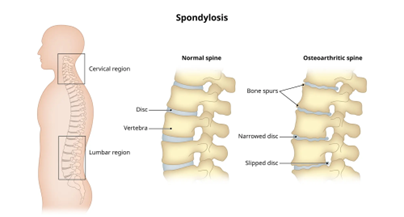
MBB is most relevant when the clinical picture suggests facet-mediated axial low-back pain. It is not primarily a treatment for untreated lumbar radiculopathy, sciatica, disc herniation, or neurogenic claudication. Those conditions follow a different diagnostic and treatment pathway.
How the Result Guides Treatment
Relief from a diagnostic block is expected to be temporary and should be interpreted in the context of the local anesthetic used, the patient’s typical activities, and the overall clinical picture. The percentage of relief and whether a confirmatory block is required can vary according to clinical circumstances and insurance requirements.
If diagnostic testing supports facet-mediated pain, lumbar radiofrequency ablation (RFA) may be considered for longer-lasting treatment.
What to Expect
The procedure is performed under fluoroscopic guidance. After the skin is numbed, a needle is positioned near the selected medial branch nerve and a small amount of local anesthetic is injected. The block is not intended to provide permanent pain relief.
Potential Risks
Potential risks include temporary soreness, bleeding, infection, medication reaction, temporary numbness or weakness, injury to nearby structures, and an inconclusive or false-positive/false-negative diagnostic response. Your physician will review risks that apply to your individual case.
with excellent precision & efficacy through the introduction of a small amount of local anesthetic near selected medial branch nerves to test whether the lumbar facet joints are a significant pain source. Therefore our clinic offers a diagnostic procedure known as Lumbar Medial Branch Block (MBB): a short 10-15 minute diagnostic procedure where we can effectively target the facet joints of the spine with our injectable anesthetic medications which can thereby reduce pain for some appropriately selected patients of those suffering from chronic lower back pain. Please note that this procedure is primarily diagnostic which means it is not intended to provide long term relief, but rather investigate the cause of your pain. If you develop short, but significant relief in pain following the procedure we will advise repeating this diagnostic procedure. If the repeat Lumbar Medial Branch Block (MBB) demonstrates significant relief in pain we will advise you to move forward with a therapeutic procedure known as Radiofrequency Ablation (RFA).
Clinical Evidence, Limitations & Patient Selection
Lumbar MBB is primarily a diagnostic/prognostic block of the medial branch nerves supplying the lumbar facet joints. It helps determine whether facet-mediated pain is likely and whether RFA should be considered.
Important limitation: The block is not primarily a treatment for untreated sciatica/radiculopathy. Positive-block thresholds and number of blocks vary among guidelines and payers.
Every procedure has potential risks, and individual benefit cannot be guaranteed. Recommendations at Solutions in Pain are based on the diagnosis, examination, relevant imaging, prior treatment, medical history, medications, patient goals, current evidence, and applicable payer requirements.
Selected Evidence & Guidelines
Patient-education content updated September 2026. This information does not replace an individualized medical evaluation or informed-consent discussion.